A major solar energy development in California’s San Joaquin Valley is facing state and federal environmental review. The Chalan Solar and Battery Energy Storage (BESS) Project is expected to generate about 65 MW of electricity and includes 25 MW of battery storage.
The facility is planned for land in northwest Kern County and southern Kings County.
Parts of the site also provide habitat for several protected wildlife species.
Because of those concerns, state and federal wildlife agencies began reviewing potential impacts on protected animals and their habitat.
The review process also includes long-term conservation planning tied to the development.
Protected habitat changed the project’s path
The Chalan Solar and Storage Project will be built over hundreds of acres in two California counties. According to project documents, the facility will be located near the communities of Kettleman City and Lost Hills. It will be a hybrid solar generating plant including BESS components.
According to the project documents, the site will span approximately 627 acres. The project combines electricity generation and energy storage within the same facility. Habitat within the project area is used by several protected wildlife species.
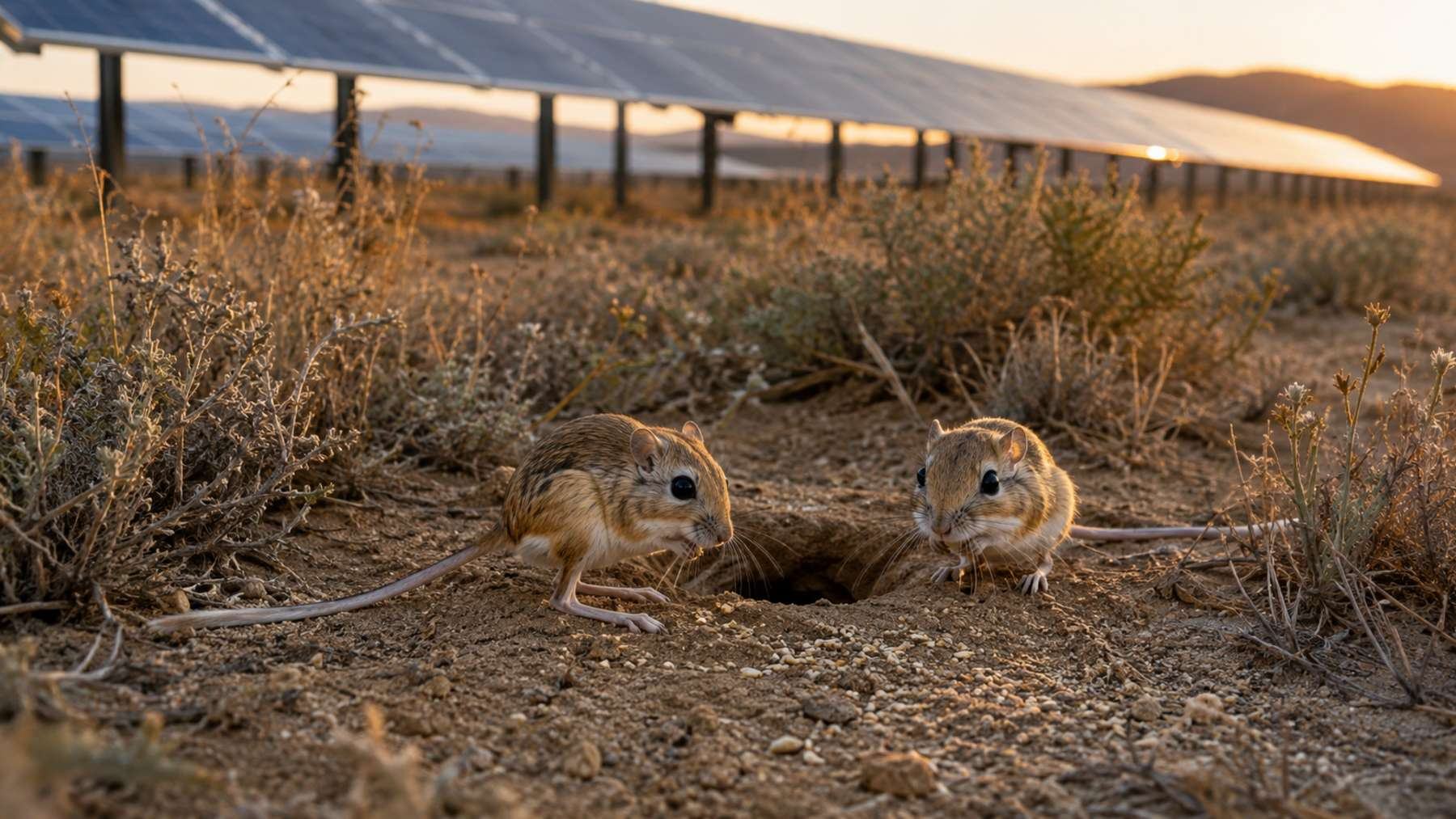
Those species include the San Joaquin kit fox, giant kangaroo rat, and western burrowing owl.
Project documents indicate there will be permanent impacts to habitat used by those species.
Those concerns brought additional wildlife review into the permitting process.
Wildlife concerns drew more agencies into the process
The California Department of Fish & Wildlife granted an incidental take permit for the project. The plan covers species affected by project activities.
Its conditions apply during construction and other project activities. Federal wildlife officials also became involved in reviewing the project.
Wildlife concerns prompted reviews by both state and federal regulators. Those reviews examined how the project could affect protected wildlife and its habitat.
The HCP outlines measures designed to avoid, minimize, and mitigate impacts from the project.
Federal documents indicated that potential impacts to protected wildlife required a Habitat Conservation Plan.
The application, HCP, Environmental Action Statement (EAS), and related notices published in The Daily Journal of the United States Government were released for public comment.
The California Environmental Quality Act helped guide part of the environmental review process.
Once the public comment period closes, the Service will review the comments. It will then decide whether to grant the incidental take permit.
The plan set aside 260 acres for conservation
The Service stated that the applicant is requesting a 35-year incidental take permit under Section 10(a)(2)(B) of the Endangered Species Act. Approximately 878 acres are covered by the HCP. Of that total, approximately 618 acres are designated for development within Kern County.
Another 260 acres are designated as conservation land within Kings County. An important feature of the Habitat Conservation Plan is the 260-acre conservation area associated with the federal permit application.
Those lands are intended to offset project impacts on covered wildlife species.
Service staff said the applicant proposed measures to reduce impacts on federally listed wildlife. Regulators used those measures when assessing how project impacts would be addressed. Service staff found the project and its mitigation measures would have only minor effects.
Those findings applied to the San Joaquin kit fox and giant kangaroo rat, which are both covered under the permit application.
Regulators evaluated both wildlife impacts and broader environmental considerations during the environmental review.
Permit decisions will determine whether the project proceeds under the Habitat Conservation Plan.
Disclaimer: Our coverage of events affecting companies or institutions is purely informative and descriptive. Under no circumstances does it seek to promote an opinion or create a trend, nor can it be taken as investment advice or a recommendation of any kind.
Read the whole thing?
Get the week's signal, not the noise
Our sharpest reporting on energy, climate and nature — free, once a week.