The future of energy is getting even more interesting with three countries—China, Russia and India—teaming up to reach the Moon to provide the ultimate source of energy. Their goal is to redefine space exploration and energy production. The initial collaborators are China and Russia. Interest has been sparked by a recent story from the Russian news source TASS, which suggests that India might be thinking about participating in this project.
Many countries across the world are competing to execute this kind of energy source, and with this three-part team collaboration, they are able to implement their plans effectively. Creating a dependable, sustainable energy source that might power future lunar communities and eventually act as a model for interplanetary energy solutions is the obvious objective.
Why the Moon? The revolution in energy beyond Earth
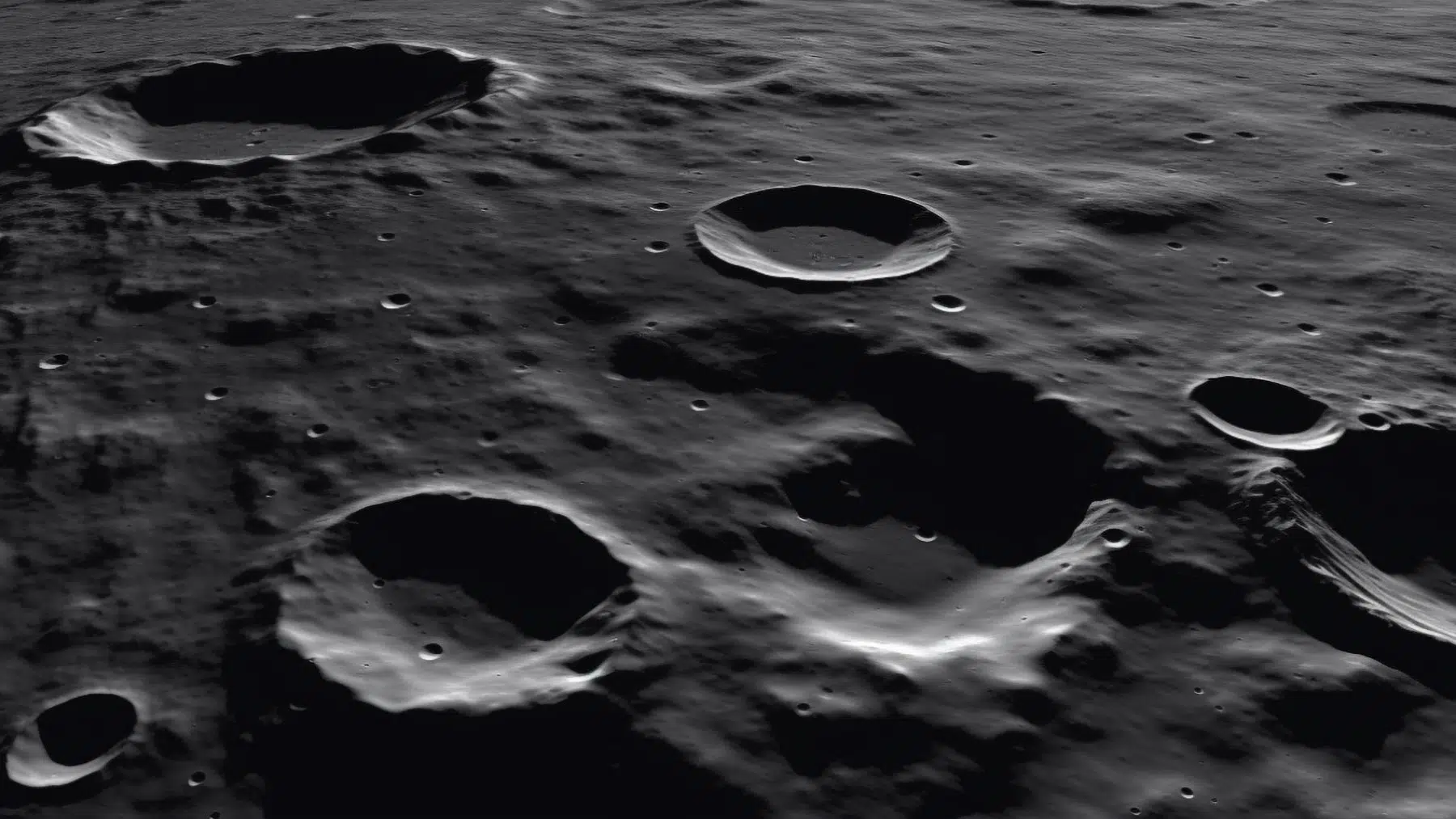
Scientists have long declared the Moon a suitable place to generate power and energy. So, the goal is to create a nuclear power plant on the Moon, also because nuclear is known to be more efficient than solar power. Why the Moon? Unlike Earth, there are no disruptive weather conditions, climates or atmospheric influences.
The Moon is stable and because its environment is uninterrupted, there is potential to harness consistent energy, and nuclear power could be the key to establishing a self-sustaining lunar base. Scientific missions, research and explorations will be made easier when electricity is generated without any disturbances. The nuclear reactor will have the capacity to produce up to half a megawatt of power, according to Rosatom chief Alexey Likhachev, as quoted by TASS.
The reason why China, Russia and potentially India have chosen nuclear is because it has a sense of stability and also, when compared to solar power, it does not need sunlight to be effective. That is why the idea of solar power is not in their plans. Nuclear power can run continuously over the long 14-day night periods on the Moon when solar panels are ineffective.
India wants to join China and Russia. What are the requirements?
First of all, before we get to the expectations, India and China have these ongoing geopolitical tensions; however, if they want to break through with this project, they will need to place that on the back seat of the car and deal with it later. Therefore, there are several requirements that can permit India to be identified as qualified to join this team of energy country leaders.
For India to work with China and Russia on the lunar nuclear plant, diplomatic ties, financial support, and technological know-how must all be in line. This collaboration has the potential to yield substantial advantages in addition to providing a forum for enhancing bilateral ties. This is essential because all three countries have the tools to make this project a reality.
Global consequences: The quest for lunar domination
The lunar dominance race is moving faster. For example, the United States and its partners have pursued something similar alongside NASA, making it easy for human presence sustainability on the Moon. However, China, Russia and India are making the globe shake because theirs is more powerful.
Currently, the project is in its infant stage; however, researchers state that it is moving fast and made easy with the available suitable technology. If all goes well, the nations are expected to deploy the nuclear plant by 2036. Already, as a global community, our perspective has changed in how we see the Moon and its capabilities.
Establishing electricity and communication systems will be the main goal of the project. According to China’s timetable, the Chang’e 6 mission launched in May 2024, with Chang’e 7 and Chang’e 8 to follow. The cooperation with China is still going strong even after Russia’s failed Luna-25 mission in 2023.
Read the whole thing?
Get the week's signal, not the noise
Our sharpest reporting on energy, climate and nature — free, once a week.