
By developing the first air-powered engine, China once again pushed the limits of the invention and realised a vision based on Einstein’s revolutionary theories. This innovative engine offers a greener option to conventional combustion engines by using compressed air as its main energy source. This innovation has the potential to usher in a new era of sustainable technology by reducing dependency on fossil fuels and eliminating harmful emissions.
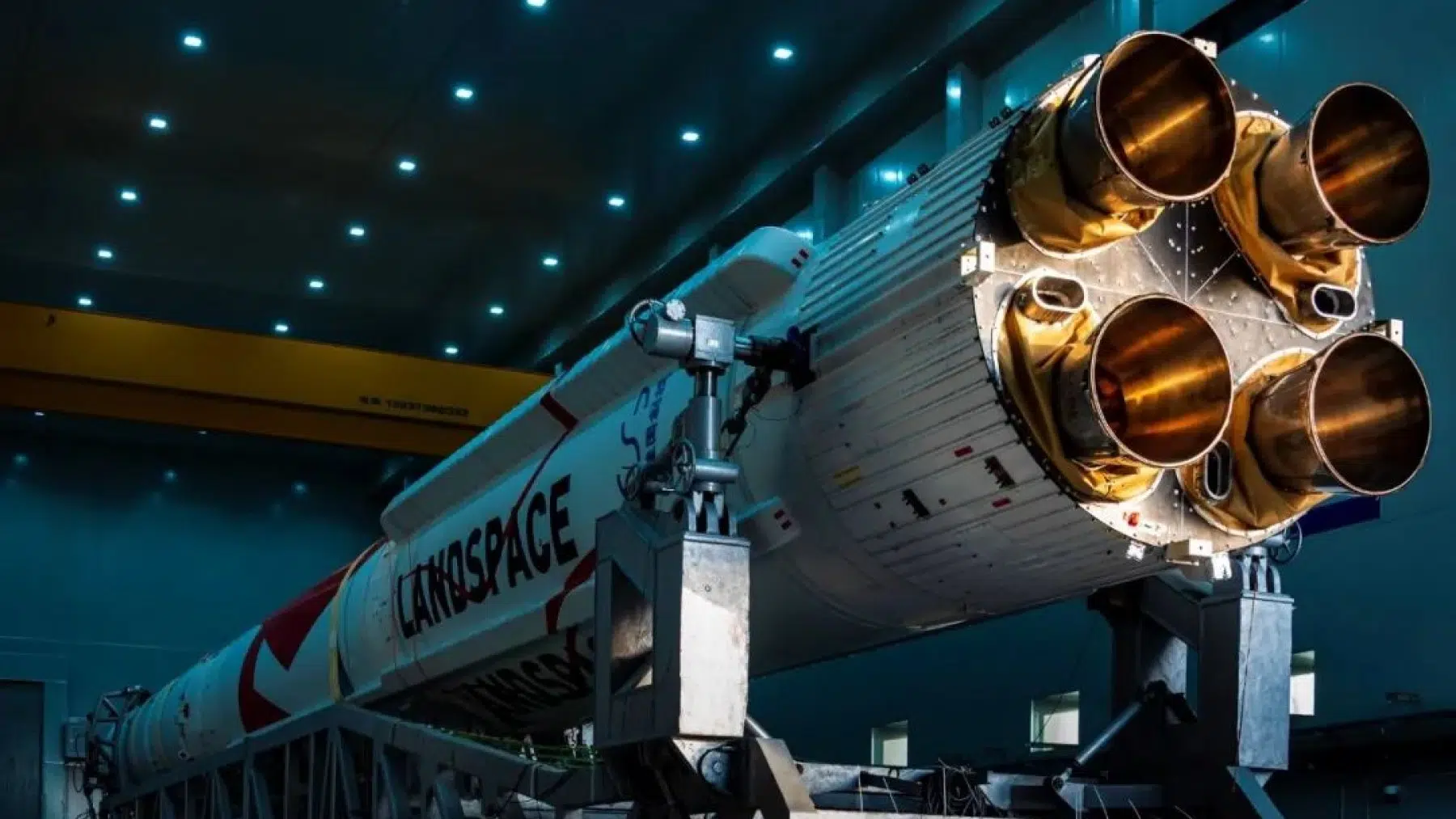
A significant advancement in the state-of-the-art technology has been made with the successful launch of China’s Zhuque-2 Y-2, the first methane-powered rocket into space. Methane-powered engines are especially well-suited for reusable rockets due to their great performance and low operating costs, but harnessing their power is not simple.
Such rockets have failed in their first launches since December 2022, including the Zhuque-2 Y-1 and the Terran 1 from Relativity Space. After the launch of Space Pioneer’s liquid-propelled Tianlong-2 in April, the Zhuque-2 Y-2 represents yet another achievement for China’s private aerospace industry in 2023.
Theoretical impact of Einstein on air-powered engines
Scientists have long been captivated by Albert Einstein’s theories regarding efficiency and energy. The concept of efficiently utilising energy from non-traditional sources is at the heart of his work. By employing air, a resource that appears to be limitless and renewable, as a fuel source, Chinese researchers have now made this concept a reality.
Compressed air is transformed into mechanical energy by the air-powered engine without the need for combustion. This novel method demonstrates how theoretical science can motivate real-world solutions and is consistent with Einstein’s prediction of alternate energy systems. Air-powered technology has the potential to significantly lower carbon footprints globally, which has wide-ranging ramifications for sectors including industry and transportation.
How the air engine operates: An engineering revolution
A milestone of contemporary engineering is the air-powered engine. It generates mechanical energy by compressing air and then releasing it to power a turbine or piston. It is one of the cleanest energy systems ever created because it produces no exhaust fumes, in contrast to traditional engines. This engine’s adaptability is among its most impressive qualities.
It can be incorporated into power plants, automobiles, and even machinery. In a society struggling with climate change, its cheap operating costs and almost minimal environmental impact make it a desirable choice. The engine may soon be a pillar of sustainable innovation as Chinese experts strive to improve the technology.
The effects of China’s air-powered innovation on the world
The air-powered engine’s development in China has broad ramifications. It shows the country’s dedication to tackling global environmental issues and setting the standard for green technology. This technology might greatly lessen reliance on fossil fuels and assist nations in achieving their carbon-neutral targets if it is broadly used.
Furthermore, by offering reasonably priced and environmentally friendly energy options, the air-powered engine has the potential to completely transform businesses in underdeveloped countries. This innovation may open the door for global partnerships aimed at building a more sustainable and greener future as other countries seek to emulate China’s achievements.
According to industry experts, they expressed that China’s domestic commercial space sector is undergoing rapid expansion, and the bar is still high for a private rocket firm because it requires the creation of an entire self-developed value chain from design, production, and testing to the final launch. More than just a mechanical marvel, China’s air-powered engine provides a ray of hope for sustainable energy.
This device might revolutionise businesses, cut emissions, and fight climate change because it was inspired by Einstein’s visionary predictions. The world is anxiously awaiting the broad use of this revolutionary technology as research and development continues. This kind of innovation could make the vision of a cleaner, greener world a reality for future generations rather than just a theoretical one.
Read the whole thing?
Get the week's signal, not the noise
Our sharpest reporting on energy, climate and nature — free, once a week.


