Jet engines might soon face real competition from plasma-powered engines. Jet engines have powered planes for more than 70 years using the same basic formula: squeeze in air, mix it with fuel, ignite, and push it out the back. It’s worked well enough to take us higher, faster, and farther—but the method still relies on fossil fuels. With aviation responsible for a big chunk of global emissions, finding cleaner options has become a serious mission. A shift in the sky could take years—maybe even a decade—with this new invention that aims to make aviation emission-free.
The changes started on the ground
Electric vehicles have already shown what’s possible on the ground. Car companies are pushing battery and motor tech to new levels. But getting a car to run on electricity is very different from keeping a plane in the air for hours. Batteries are still too heavy and not powerful enough for long flights. That’s why some engineers are skipping over traditional electrification and chasing something different.
Enter this new type of propulsion. The idea? Use ionized gas to create thrust, powered by electricity instead of burning fuel. It’s experimental, sure, but it could solve one of the toughest problems in aviation: flying without emissions or heavy fuel tanks.
China’s plasma jet prototype
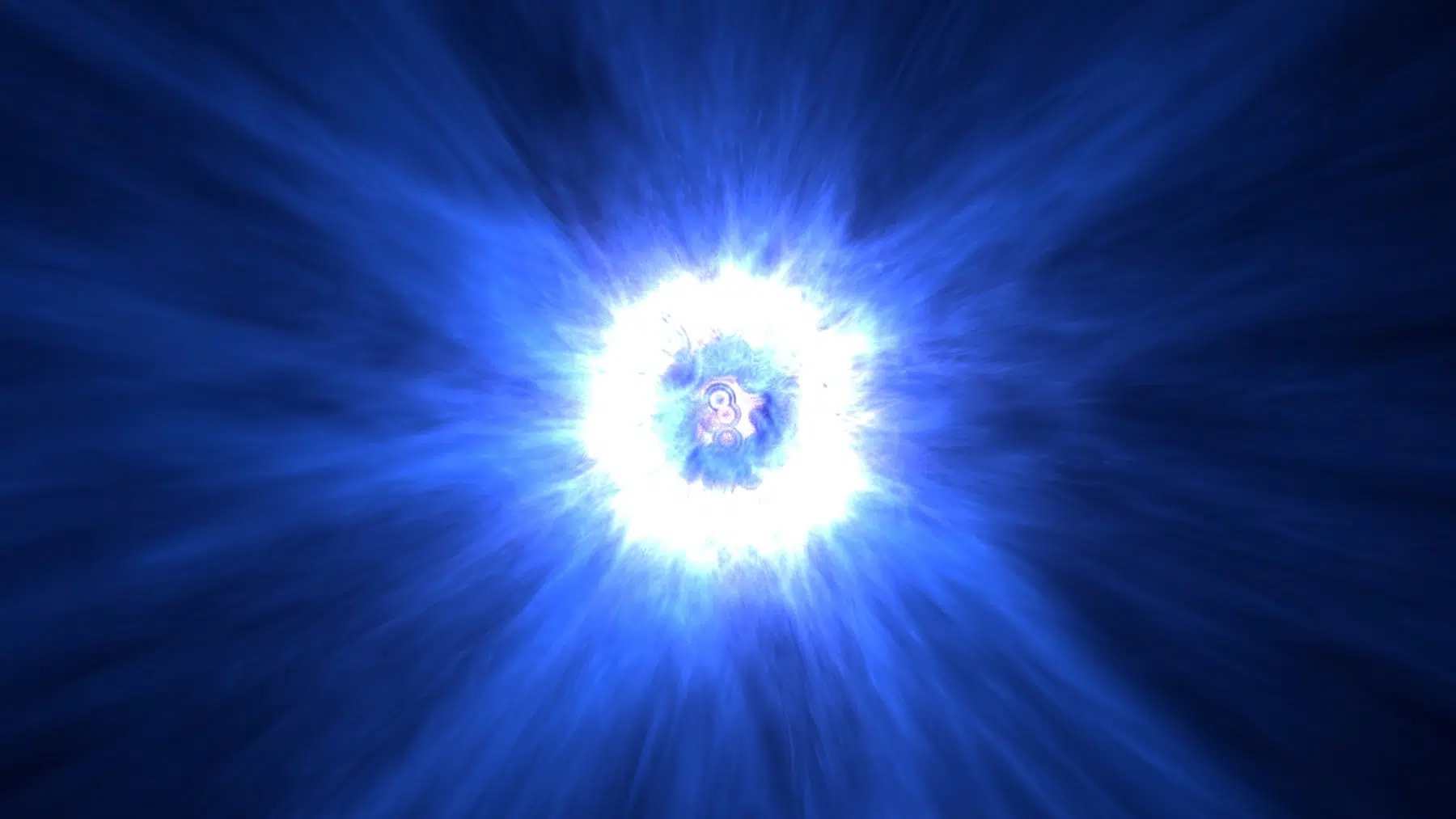
Professor Jau Tang from Wuhan University and a team of researchers have built something bold—a small plasma jet engine that runs on compressed air and electricity. The setup works by heating air to more than 1,000°C, then blasting it with microwaves to turn it into plasma. That supercharged gas gets shot out the back, creating thrust. In tests, the engine lifted a steel ball weighing one kilogram—proving it has muscle. It’s a long way from flying a passenger jet, but it’s a real step toward something bigger.
Plasma, if you’re wondering, is the fourth state of matter—basically charged particles like ions and electrons. What you see is in lightning, or the Sun. Tang’s team creates it by compressing air and firing it with microwave energy, turning that air into high-temperature plasma. That’s what generates the thrust. Here’s the big difference from what’s used in space: space plasma engines usually run on rare gases like xenon and only work in the vacuum of space. This new one uses regular air. That means the engine could work on Earth.
Don’t book your flight just yet
Even though the early results look exciting, there’s still a long road ahead. Right now, the engine setup needs serious power: we’re talking about megawatt-level microwave generators and energy storage systems that can handle that kind of load for more than a few seconds.
Making this work for a full-size plane will take years—maybe even a decade. One idea on the table is lining up a few plasma jet units side by side to increase thrust. It sounds simple on paper, but making it work is a whole different challenge. Engineers still need to sort out several design and efficiency problems before it can actually fly.
Heat: The silent deal-breaker
Right now, the prototype can generate jet-like pressure—24,000 newtons per square meter—in small-scale tests using 400 watts of power. But to move a large aircraft, far greater power levels are required, and batteries and power systems still need to improve by a big margin. Another big challenge is managing heat. These engines run hot—so hot that some parts may not hold up for long.
To get around this, Tang’s team is experimenting with tougher materials and testing new ways to cool the engine without adding extra weight or complexity. Researchers believe this type of propulsion could eventually become a real contender in the push to cut aviation’s carbon footprint.
Read the whole thing?
Get the week's signal, not the noise
Our sharpest reporting on energy, climate and nature — free, once a week.