
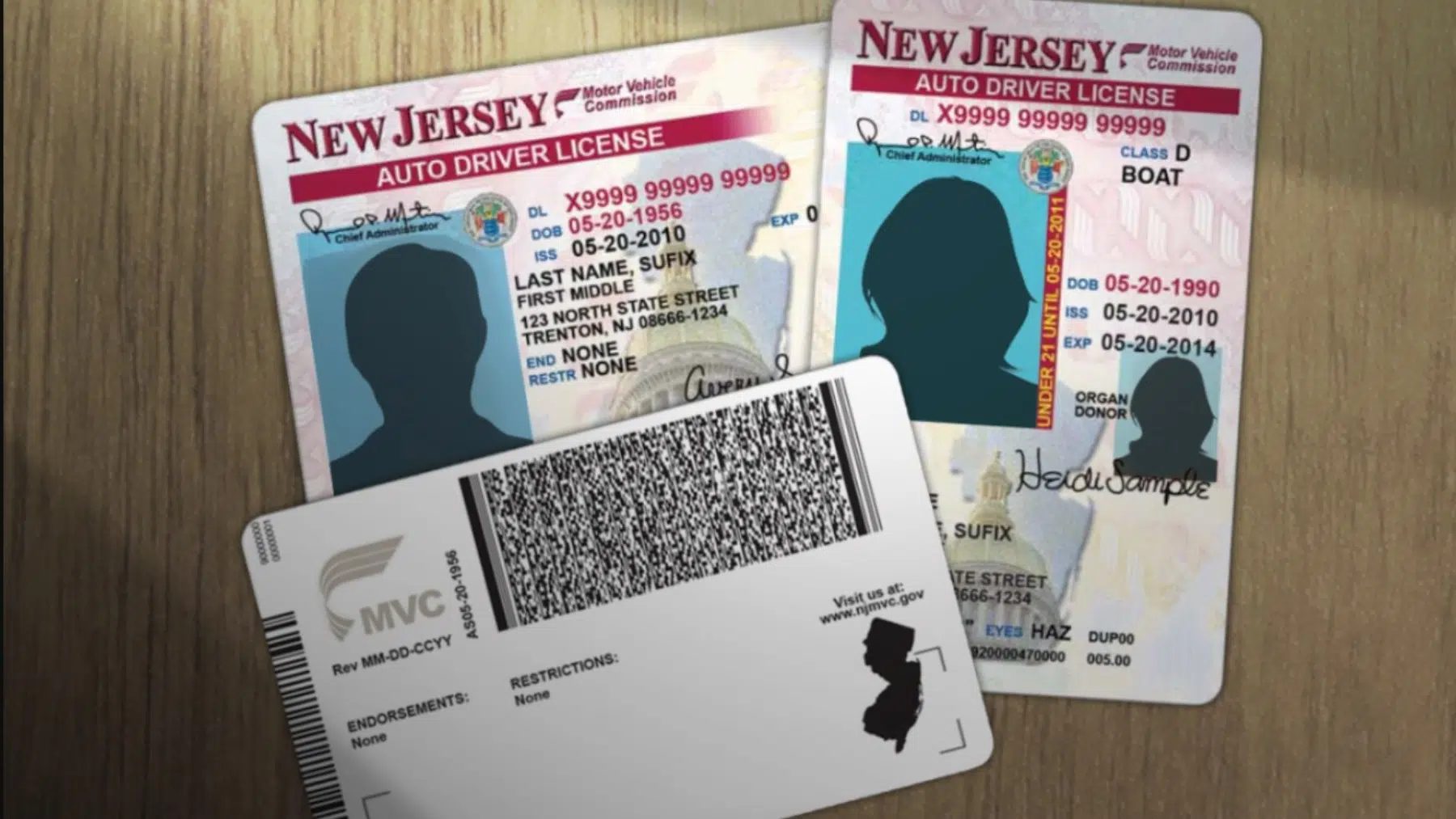
New Jersey has introduced a new rule related to driver’s licenses for individuals diagnosed with Autism Spectrum Disorder (ASD) and any other communication disorders for this information to be included on their licenses. The goal is to create an understanding between police officers and individuals when they interact to avoid misinterpretation of communication and body language.
People diagnosed with ASD usually do not communicate well and at times law enforcement can misinterpret that as suspicious behaviour, yet it is just a condition. In a statement, state Human Services Commissioner Sarah Adelman stated that since law enforcement frequently deals with people under pressure, effective communication is crucial.
Recognising the need for change: beyond obtaining a license
1 out of 35 eight-year-olds is diagnosed with ASD. Therefore, individuals with autism can project behaviours such as avoiding eye contact, delayed responses and repetitive movements, which can trigger law enforcement to believe that the person is guilty or under the influence of something. Therefore, if they get a unique license, it will stop the misunderstandings.
Putting the voluntary designation into practice
Individuals should visit the New Jersey Motor Vehicle Commission (NJMVC) Licensing Center to be part of this program. Applicants should submit six points of identification and complete a self-attestation form indicating their diagnosis, and once that is processed, the presence of a communication issue or ASD will be indicated by the number “5” in the Restrictions section of the person’s ID card or driver’s license.
In 2023, Governor Phil Murphy signed legislation allowing residents of New Jersey to list their diagnoses on identity cards and licenses. The bill also required the AG’s Office and Human Services to develop law enforcement guidelines. Participants will also receive a Code 5 Description Card — a pink card — that they must carry with their license or ID, which will help distinguish them when they are stopped by police officers or interact with them in whatever manner. The pink card will indicate whether the person has ASD, a communication disorder, or both.
Instruction, training and policies for law enforcement
Another vital thing that should happen is the training of the law enforcement. They need to be able to differentiate between one with and without autism. Some of the misunderstandings and tensions have been caused by a lack of training and knowledge. Fortunately, the Department of Human Services and the New Jersey Attorney General’s Office have created thorough guidelines to inform law enforcement officials about communication difficulties and autism.
A good example would be that law enforcement has been advised to give more time for responses, use basic, clear language and allow individuals to express themselves freely, for example, by nodding or using hand gestures and other body language to communicate. At the end of the day, we want the community to feel safe and to trust law enforcement.
An advancement in inclusive safety
This initiative has indicated that New Jersey is inclusive and cares for their community. Identifying and acknowledging that people with autism are having a hard time with police enforcement is a green flag, and they want to initiate this license idea for safety and inclusivity. We understand that individuals with disorders tend to be very sensitive.
Additionally, the program is not forced but voluntary. It is also vital that law enforcement embrace these changes by using different methods of creating awareness of different platforms to help their community. Regardless of people’s disabilities or abilities, New Jersey has taken an impressive step that other states can learn from as well to implement and execute.
The objective of this endeavour is to broaden the horizons of law enforcement personnel by redefining the distinction between “typical” and “suspicious” behaviour. When police understand and accommodate a range of communication needs, interactions improve and everyone is fully understood.
Read the whole thing?
Get the week's signal, not the noise
Our sharpest reporting on energy, climate and nature — free, once a week.


