The next generation of cars will feature hydrogen as fuel, but some brands with strong electric vehicle DNA may be able to delay projects related to the use of water as fuel. There are already a handful of cars and trucks running on hydrogen, but the infrastructure to refill high-pressure air seal tanks is limited. In 2024, in the U.S., there were only 54 retail hydrogen fueling stations, and California leads with a range of between 21 and 50 stations. By 2032, the country expects to have over 5,000.
Hydrogen adoption in the vehicle sector has been delayed
Automobile companies do not show much excitement about using hydrogen as fuel. Instead, they prefer to create and evolve new electric and hybrid models to their peak. Tesla was the main company when electric vehicles were making their way to the market, but BYD – short for Build Your Dreams – and Geely started to export vehicles to other parts of the world, and a handful of countries showed a preference to buy from Chinese manufacturers.
BYD leads the EV market in China thanks to recent advancements and the models’ variation in their catalogue. The brand used to be number two in electric vehicles sold in its homeland, but political tension with the United States and growing competition pushed BYD forward in the largest EV market in the world.
Chinese holding to release exclusive model in 2025
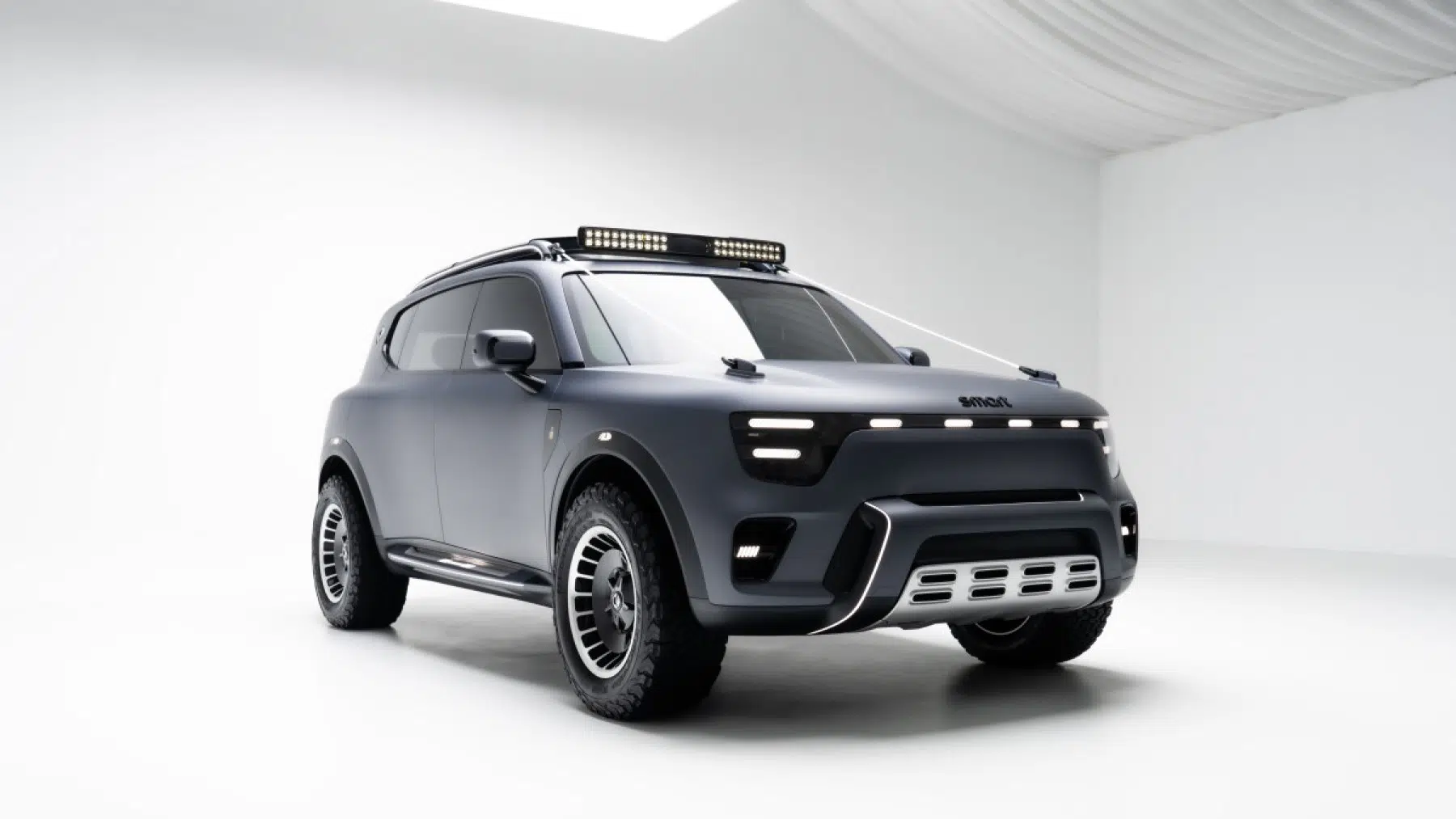
Geely is also another Chinese electric vehicle company gaining momentum in China. The holding owns other big-time companies like Volvo, Zeekr, Lynk & Co, Polestar, and Lotus, but its most highly anticipated vehicle in 2025 is the Smart #6. The car is expected to be unveiled in the second half of 2025 and will be the first sedan built by Geely.
One of the key features of the new Smart #6 is the 335 horsepower in rear-wheel drive mode, and over 600 horsepower in all-wheel drive mode. The car dimensions are similar to a midsize sedan like the Tesla Model 3 and Hyundai Ioniq.
According to AutoBlog, the car might not be available for the North American market due to famous brands like Mercedes ‘quitting’ the American market and starting a new movement, excluding the U.S. On the other hand, buyers will be able to import the vehicle. For those who don’t want to, but would like to see how this car performs, Volvo and Polestar (owned by Geely) created their later EV versions on the company’s platform.
Geely enjoys cars with hundreds of horsepower
Companies owned by Geely create cars with a specific characteristic: an electric engine with hundreds of horsepower. The Polestar 5 has a high-performance electric grand tourer (GT) ready to be released in the second half of 2025. The powertrain will be able to generate 650 kilowatts, which translates to 870 horsepower. Another relative of the next Smart car, the Volvo EX30, has 422 horsepower and starts at $45,000.00.
While the Geely sedan era starts at Smart #6, the SUVs continue at Smart #5. Unveiled by the brand at the Beijing Auto Show in April 2024, the joint project between Mercedes and Geely features at least 335 horsepower in the entry model, with the all-wheel drive variants having between 416 hp and 637 hp, and the car in 15 minutes can charge up to 80%.
Hydrogen vehicles in the future
Hydrogen engines are still in the initial development and testing phase, and may be impractical for daily use for many years to come. Several manufacturers, mainly Japanese, are exploring the possibility, but another big focus of the industry is on achieving carbon-neutrality by 2030. Toyota is currently the main company in this field, and in 2025 Honda attempted to buy Nissan to expand the brand, but the merger did not go well. Meanwhile, the electric and semi-electric vehicles industry continues to evolve with new power units, engines, and hybrids.
Read the whole thing?
Get the week's signal, not the noise
Our sharpest reporting on energy, climate and nature — free, once a week.