
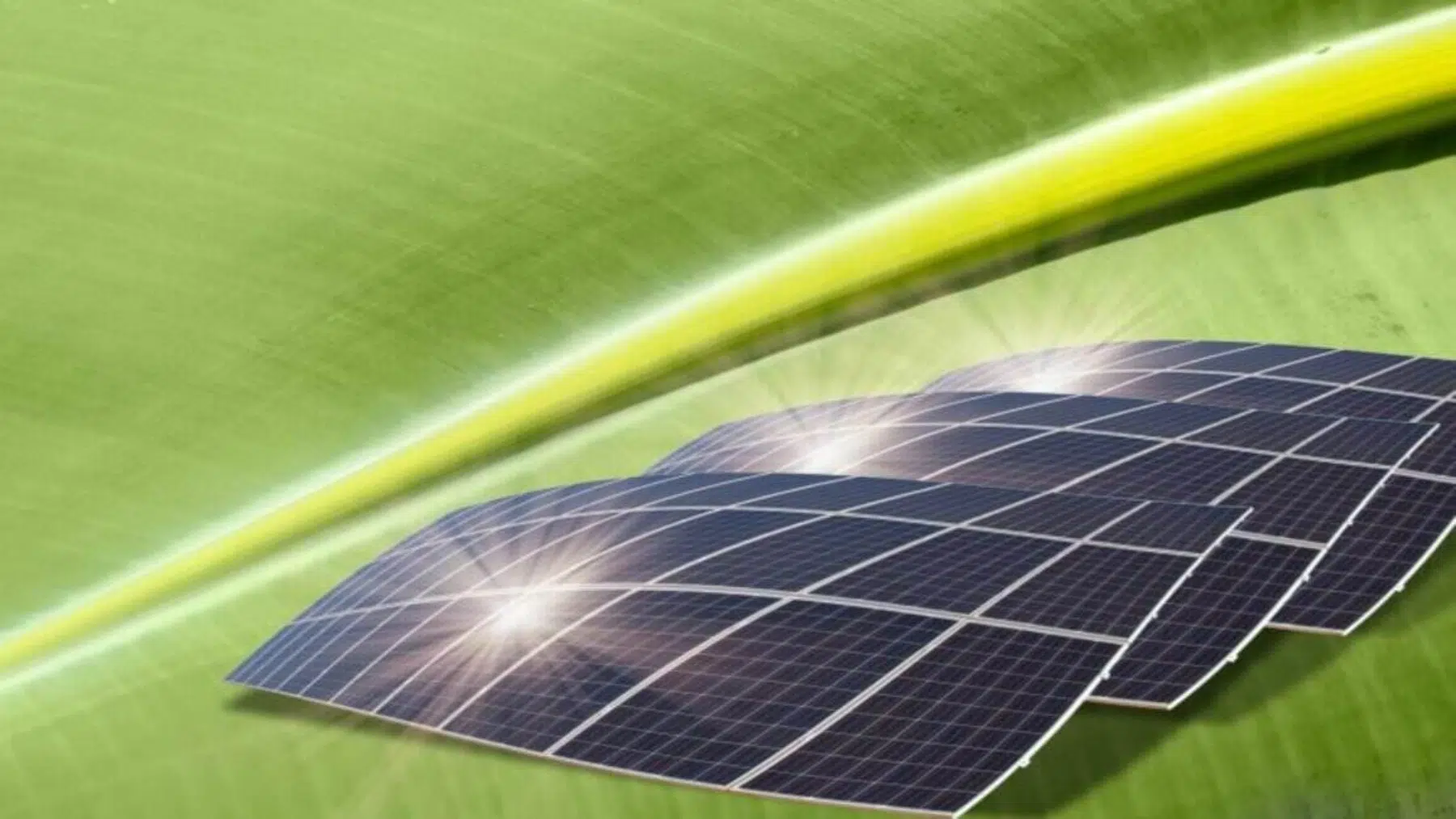
Biology and technology are coming together to form the first-ever bioinspired solar panels that mimic the adaptive qualities of living organisms. This development promises to enhance solar panels in terms of flexibility and aesthetic integration and make them suitable to fit in any part of various environments. It is called HelioSkin and is made to enhance sunlight absorption. A lightweight, flexible solar fabric may be knitted around complex shapes.
Nature-inspired design: The origins of bioinspired photovoltaics
The concept of these bioinspired solar panels stems from how nature functions, more specifically plants and how they absorb sunlight. Plants, through research and scientific findings, are known to be good sunlight absorbers, making them capable of making their own food and through that, they grow; it is the photosynthesis concept. However, these solar panels are not inspired by the food and growth part, just sun absorption.
The HelioSkin is a project led by Jenny Sabin, professor of architecture at Cornell University, in collaboration with experts in physics and plant biology. It is capable of wrapping around objects and complex shapes, just like how plants can conform and adjust to their environment. The design makes it easier to place anywhere—buildings, wearable devices—it is the next generation of solar panels.
The distinctive shape of HelioSkin, in contrast to conventional rigid solar panels, is both functional and visually beautiful, potentially increasing the amount of solar energy used. The multidisciplinary project aims to redefine the usage of solar panels to make them more versatile and visually acceptable for modern buildings.
Adaptive solar panel design: Combining practicality with beauty
Traditional solar panels are boring. They are just rigid and flat, limiting their capacity to generate more energy. Bioinspired designs like HelioSkin have been created to eliminate those limitations, ensuring that their flexibility and capability to adjust to complex shapes can help generate more power and absorb more sunlight since they can conform to any surface or object.
Furthermore, wider usage is encouraged by the bioinspired solar panels’ visual adaptability. These developments can encourage people and companies to adopt renewable energy solutions by turning solar panels into design components that improve aesthetic appeal. This tasteful fusion of style and functionality marks a significant change in the way renewable energy technologies are viewed and applied.
Effectiveness and sturdiness: Insights from photosynthesis
According to Interesting Engineering, inspired by the endurance of nature and the photosynthetic benefit of sun-tracking plants, HelioSkin is a cutting-edge solar technology. The project tackles a significant environmental problem: buildings in the US account for 40% of all greenhouse gas emissions, of which heating, lighting, and cooling are responsible for 28% of CO2 emissions. The team claims that HelioSkin intends to promote the broad use of solar energy by creating a flexible, aesthetically pleasing solar skin that can wrap over intricate structures, lowering the CO2 emissions associated with building heating, lighting, and cooling.
Opening the path for innovation that is sustainable
As the world is in constant search for ways to keep developing efficient renewable resources to get rid of fossil fuels, these kinds of developments give hope that a path for innovation is growing every day. Although we have solar panels that are usually placed on top of roofs and buildings, fresh ideas on how to make them flexible and adaptable are always a good idea for reducing congestion so that the panels do not take up all the space.
Projects like HelioSkin amplify the need for solar energy and show us that we can also learn from nature how it does things and implement it so that the same nature is preserved from carbon emissions as we fight for a greener environment. With over 15 years of expertise in her experimental design firm, Sabin has developed architectural installations and massive urban-scale canopies, which has helped her advance her work in bioinspired design.
Read the whole thing?
Get the week's signal, not the noise
Our sharpest reporting on energy, climate and nature — free, once a week.


