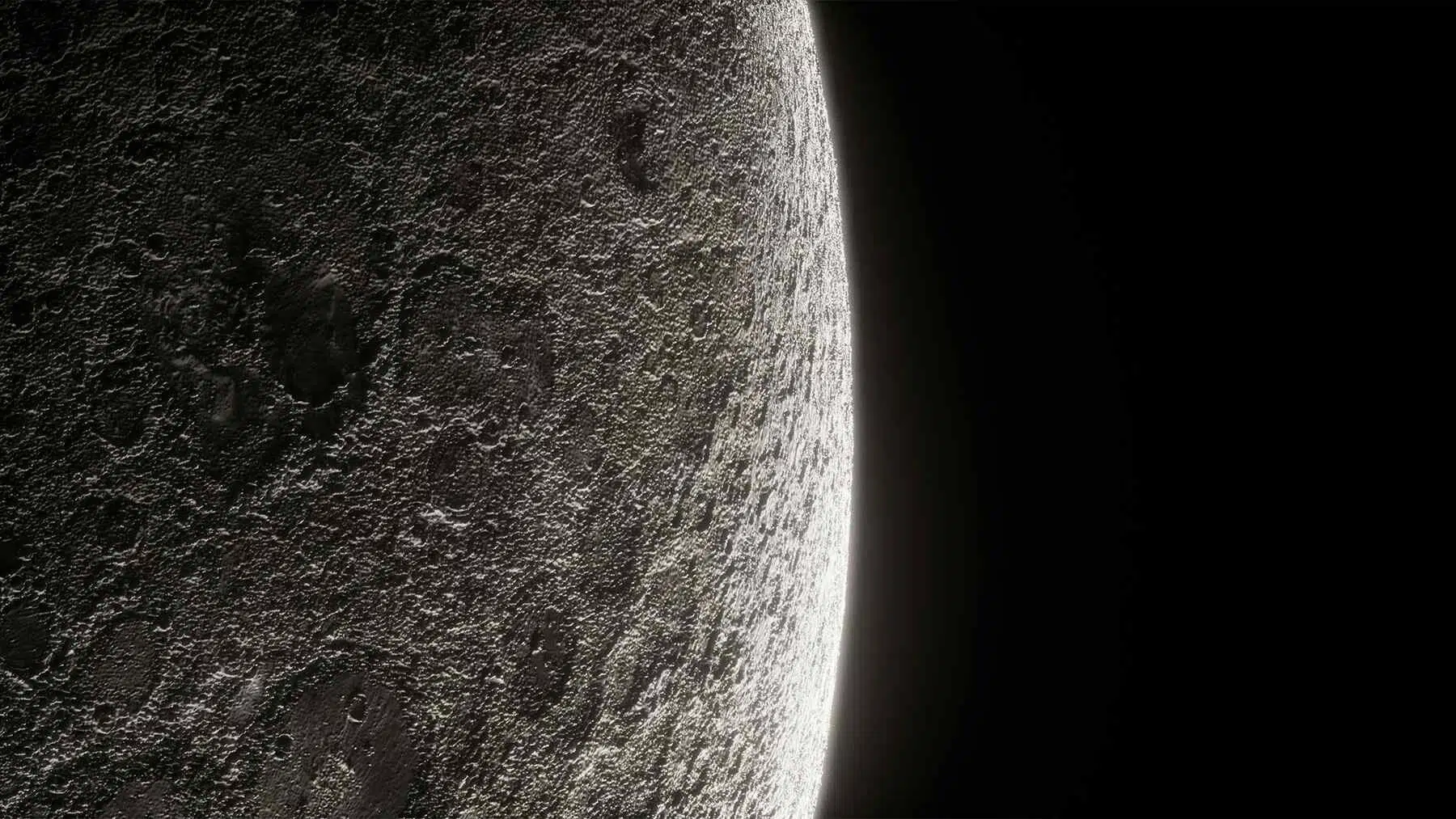
The Moon is NASA’s next major destination to get back to.
The surface of our closest celestial partner has amazed and mystified us for generations. With the original Apollo missions that catapulted mankind into space, the Moon has become an achievable target. But we have not landed a manned spacecraft on the cheese-like planet for 50 years.
Are you ready for NASA to open up manned space exploration once again?
How we have come to understand the Moon and all its mysteries
The Moon and our own planet have a long-term, long-distance relationship.
In recent years, we have found out that the Moon shares its chemistry with the Earth. Analysis of lunar rocks has led to the theory that it formed roughly 4.5 billion years ago when the Earth collided with a celestial body known as Theia.
And it might be the closest we have come to finding life in the cosmos, well, at least one of the ingredients for life.
For years, the Moon was thought to be bone-dry, but recent reanalysis of old data, as well as new findings provided by India’s Chandrayaan-1, have confirmed that water exists on the Moon, specifically in the poles, with scientists also finding water molecules trapped in sunlit soil.
Space exploration is once again becoming a reality in modern times
We have dreamed of returning to the Moon since the last mission in the 1970s.
NASA has accelerated the plan to land people on the Moon in the next two years. But a remarkable first step is about to take place tomorrow. And they are not alone, as China and Russia fast-track their own space exploration plans for the coming years.
Many people have seen their interests in the Moon resurface in recent years.
The last lunar eclipse was a reminder that the space rock is patiently waiting for mankind to make our way back there. And we are not just planning a short trip this time. We now understand that NASA has a multi-billion-dollar plan to construct a permanent Moon base over the coming decade.
But the first step would be just to send a crew to pass by its orbit.
April Fool’s Day is a regular annoyance for many of us down here on Earth, but this year will see the iconic unofficial holiday serving as the launch pad for our collective space exploration efforts, as NASA is ready to launch its next major lunar mission.
Artemis II stands ready and willing to head back to the Moon
NASA plans to launch Artemis II somewhat tentatively on April 1, 2026.
With the latest fascination for space making a comeback as asteroids land in some people’s homes across the nation, NASA has detailed the next lunar mission. It plans to send a manned spacecraft to pass by the dark side of the Moon and make its way back to Earth.
Important to note that the crew will not actually land on the Moon, but proving we can get there safely is the first step.
Manned space exploration has finally made a triumphant comeback
NASA plans to use the Space Launch System (SLS) rocket to launch a manned crew to traverse space and make their way around the Moon before coming directly back to us down here on Earth, the first time NASA has sent a manned crew to fly by the Moon since 1972.
They have publicly stated that the long-term vision would be to send yearly manned missions to the surface and eventually construct a lunar base.
Recent findings may have discovered how the Moon was formed billions of years ago, but this plan is the first step in a long-term one that will see heading to the Moon becoming like jumping next door to say Hi to the neighbors.
Read the whole thing?
Get the week's signal, not the noise
Our sharpest reporting on energy, climate and nature — free, once a week.