
Honda is going to the U.S. to compete with Tesla. For years, the industry has teased bold electric visions—cleaner, smarter, more intuitive—but most of what’s landed in driveways has felt like cautious steps, not moonshots. Between clunky infotainment, sluggish software updates, and batteries that barely stretch beyond a morning commute, the gap between concept and consumer reality has been tough to ignore. Tesla’s head start on software-defined vehicles forced legacy brands to pivot fast, investing in operating systems, user interfaces, and onboard AI like never before.
Tesla started the trend — and the rest followed
After Tesla’s efforts, CES rose as an auto-tech battleground. What used to be a space for phones and flat-screens is now where the world gets its first look at EVs built more like smartphones on wheels—running proprietary code, shaped by cloud platforms, and quietly redefining the cockpit experience.
It’s not just about batteries anymore. The real EV race now runs through user experience, autonomy, and software ecosystems—areas where traditional automakers either adapt fast or risk irrelevance. And that sets the stage for what Honda just rolled out.
Honda ready to launch EV in the U.S.
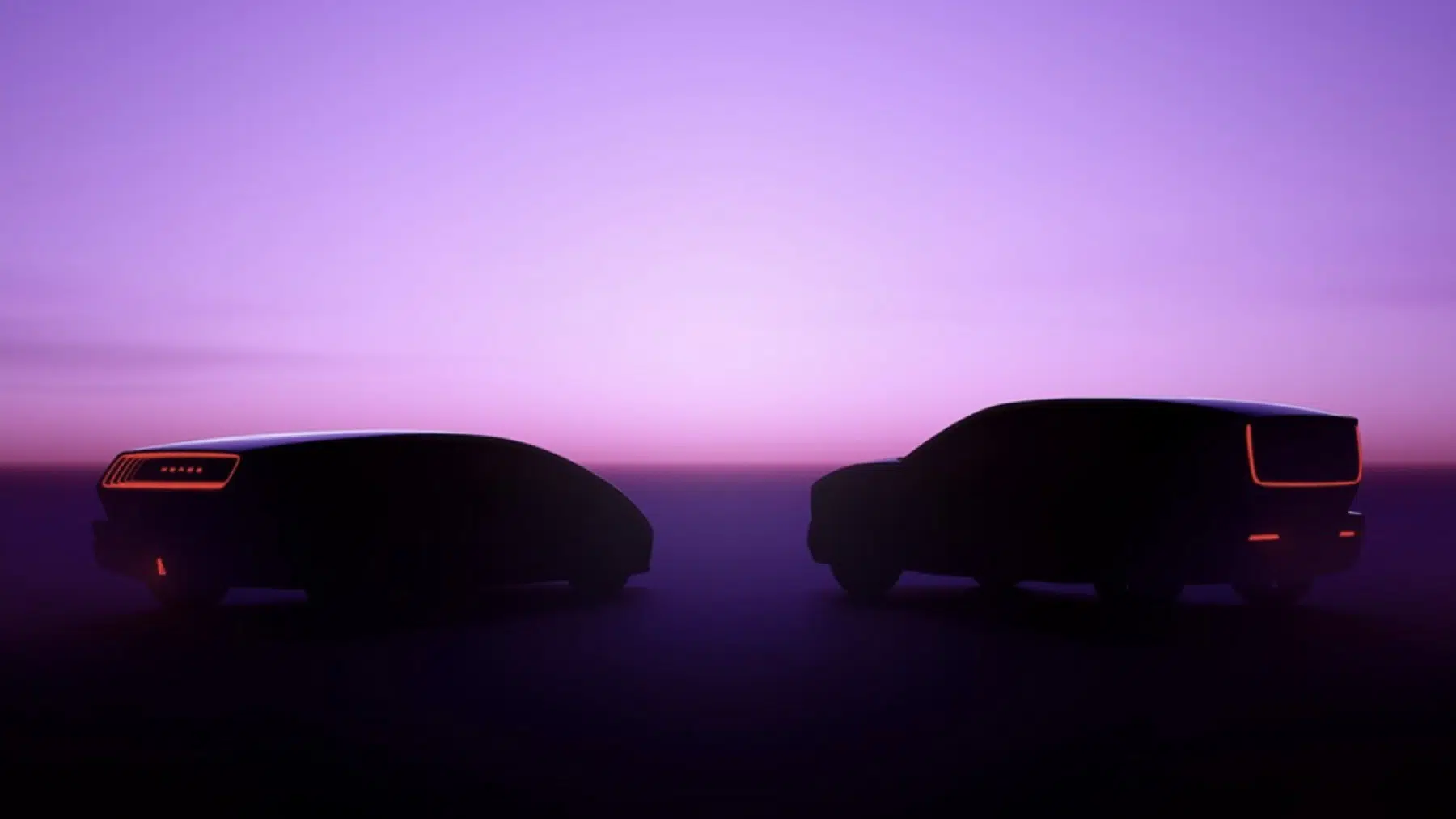
Honda may have taken its time to jump into the EV game in North America, but teaming up with GM for the Prologue SUV proved to be a smart move. The model sold over 30,000 units from its debut in March through the end of 2024 — a strong showing for a non-Tesla EV. With that momentum, you’d expect the company to keep things simple. Instead, it brought two bold prototypes to CES this year — the 0 Series SUV and Saloon — both of which look like nothing else in today’s showrooms.
These two are more than just a design exercise. The 0 Series marks the beginning of Honda’s fully in-house EV platform. While the new Saloon is an evolved version of the concept first shown at CES 2024, the SUV is brand new, moving away from the earlier Space-Hub van aesthetic and leaning into a more practical, eye-catching design. The company says the SUV will be the first to hit the market in early 2026, with the Saloon following later that year. Both models will be built in Ohio and rolled out globally, not just in selected markets.
They kept most part of the vehicle “normal”
The company says the design philosophy for these vehicles centered on three ideas: “Thin, Light, and Wise.” But when it comes to hard specs — range, horsepower, battery size — the company is keeping things close to the chest.
Both vehicles will use steer-by-wire tech, which ditches the traditional mechanical link between the steering wheel and axle. That means the electronic system takes over steering inputs without a direct mechanical connection, allowing other systems like suspension and braking to be coordinated electronically as well. Production will begin with the SUV in the first half of 2026 at the Ohio plant, with the Saloon to follow later that year.
The “0” in 0 Series is meant to symbolize a fresh start. It could also imply zero emissions — or even zero traffic fatalities, as Honda is preparing to roll out a new generation of driver-assist features. Built in-house, this system uses artificial intelligence trained on data from experienced drivers to make smarter decisions on the road.
Autonomy is almost at the driverless cab level
Level 3 autonomy — where the car can drive itself in specific scenarios without the driver needing to pay attention — will debut first in traffic-heavy highway conditions. From there, Honda says it plans to expand the system’s capability over time through software updates, with an eye on offering fully eyes-off driving in a wide range of situations. Tesla is currently on the same quest with the Robotaxi, but had to deal with some minor problems during the launching.
Our coverage of events affecting companies is purely informative and descriptive. Under no circumstances does it seek to promote an opinion or create a trend, nor can it be taken as investment advice or a recommendation of any kind
Read the whole thing?
Get the week's signal, not the noise
Our sharpest reporting on energy, climate and nature — free, once a week.


