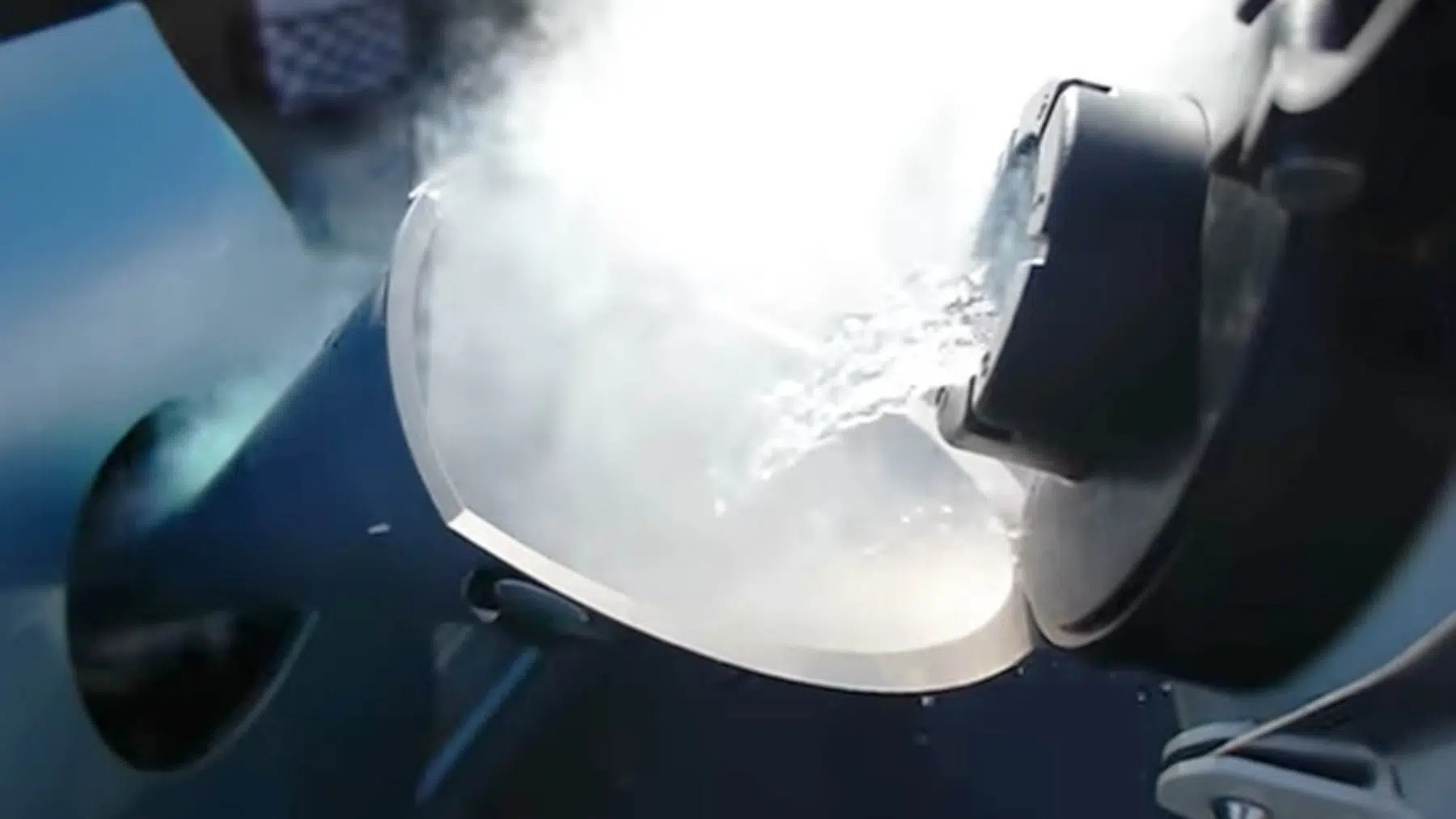
As an alternative to electric and gasoline-powered cars, hydrogen fuel cell vehicles have long been praised as the clean transportation of the future. But recent technological development has disproved this notion. The discovery of a liquid nitrogen-powered engine by scientists and engineers that is reportedly 700 times more powerful than current hydrogen cars could change our perspective on high-performance automobiles and sustainable energy.
This new engine could completely replace hydrogen fuel cells since it uses liquid nitrogen expansion technology. This invention produces energy in a way that is both extremely efficient and environmentally beneficial, in contrast to conventional combustion engines that depend on fossil fuels. Could this be the last straw for cars that run on hydrogen?
Liquid nitrogen powers Dearman’s ground-breaking zero-emission engine, which produces clean power and cold. Applications for the technology include mining, data centres, buses, and transport refrigeration units (TRUs). After receiving £6 million in government incentives and a further £16 million in private investment to refine its TRU application, the iconic garden shed concept was put to the test by the massive grocery chain Sainsbury’s, according to the Engineering Club.
Liquid nitrogen engines: The revolutionary development no one foresaw
In contrast to traditional hydrogen fuel cells, which need costly infrastructure and intricate refuelling stations, this liquid nitrogen-based engine uses a phase-change method to produce a large quantity of power. The engine generates energy output by taking advantage of sharp temperature variations, which results in significant energy production with negligible emissions.
High production costs, sparse fuelling networks, and lower energy efficiency as compared to electric vehicles have been some of the main disadvantages of hydrogen-powered automobiles. These challenges are addressed by this new engine, which is claimed to have a power density 700 times higher than that of existing hydrogen engines. A significant performance improvement has the potential to transform not only the automotive industry but also the aerospace, heavy industrial, and even power generation sectors.
What this means for hydrogen-powered vehicles and the future of transportation
Cost, inefficiency, and infrastructural issues have prevented hydrogen fuel cell vehicles from becoming widely used for many years. Despite significant investments in hydrogen technology by automakers like Toyota, Honda, and Hyundai, the industry has been sluggish to establish a fuelling network that can accommodate broad use.
On the other hand, it is anticipated that liquid nitrogen-based engines will be able to easily integrate into current vehicle systems without the need for brand-new fuelling stations. Also, the safety of storing hydrogen has long been a worry since high-pressure tanks can leak or collide. By employing an alternative energy conversion technique that does not necessitate volatile storage conditions, these engines remove these hazards.
Is a new era about to begin or is this the end of hydrogen cars?
The development of liquid nitrogen-based engines may soon render hydrogen-powered vehicles obsolete. Although hydrogen has been promoted as a clean substitute, this new technology offers a more effective and economical way to go. With early prototypes showing performance levels previously believed unachievable, major automakers are now paying attention.
This innovation has the potential to transform international transportation as we progress towards a future where efficiency and sustainability characterise the automotive sector. One thing is certain: this liquid nitrogen engine has the potential to completely transform the automotive industry, whether it marks the end of hydrogen vehicles or the beginning of a new competitive era.
The automobile sector is about to undergo a significant change. The constraints of hydrogen vehicles might soon be eliminated with the introduction of this reportedly 700-times more potent liquid nitrogen engine. This technology has the potential to become the industry standard for transportation in the future by providing a more powerful, safe, and eco-friendly option.
Read the whole thing?
Get the week's signal, not the noise
Our sharpest reporting on energy, climate and nature — free, once a week.