
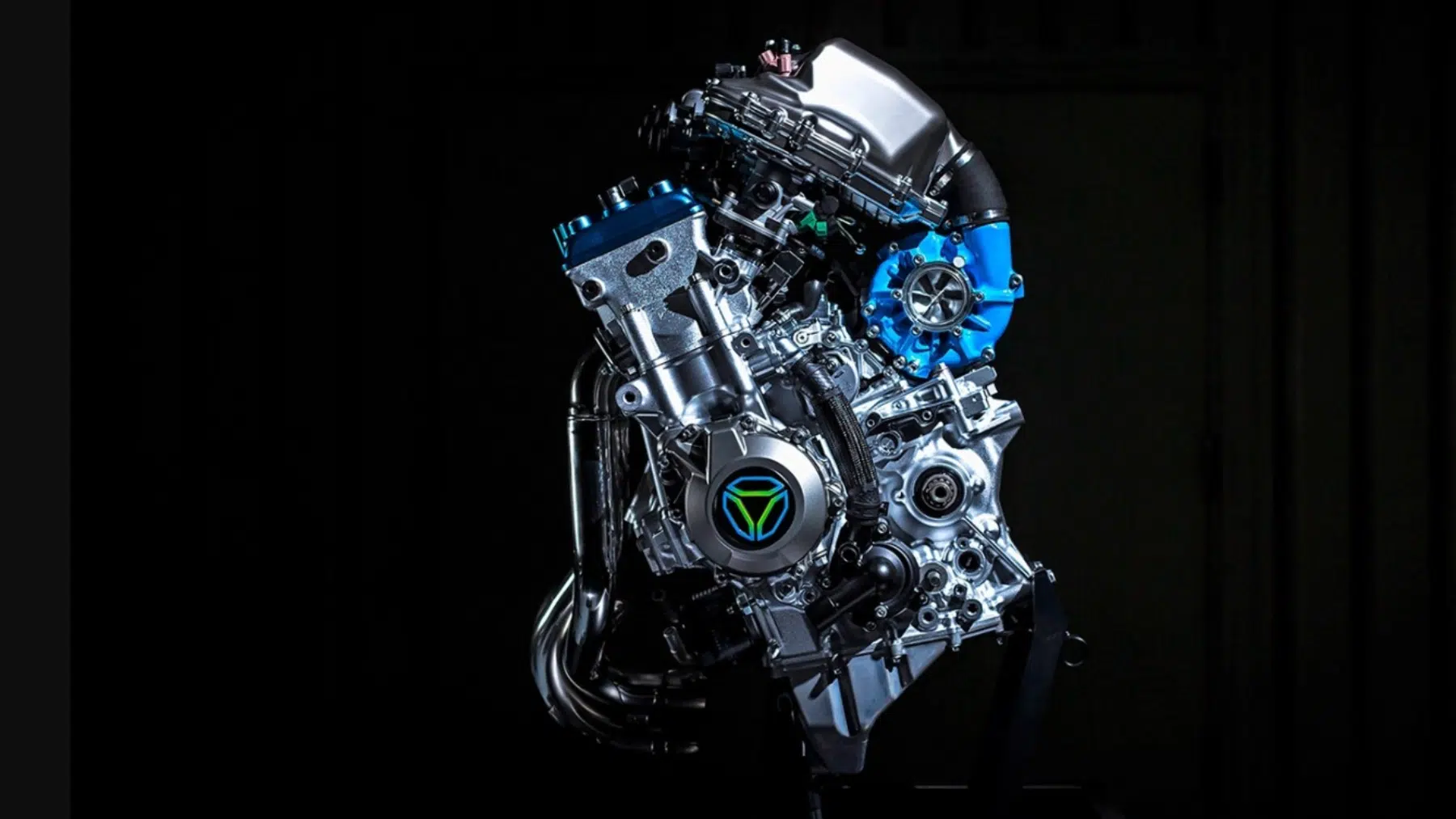
In a world that is seeking to leverage sustainability, an engine that emits water and steam is a green flag. Although water-emitting engines might sound absurd and fictional, automakers have managed to make it a reality. Together, Yamaha and Toyota have created a groundbreaking V8 engine that runs on hydrogen, revolutionising the way energy is captured.
Humans have traditionally been thought to be progressing beyond conventional, gas-powered automobiles. Furthermore, hydrogen vehicle engines may be the way of the future, even though flying and water-powered cars are still only found in science fiction. Instead of depending on the traditional fossil fuels that release carbon emissions, an engine that emits water is something that could potentially be on the eco-friendliness radar.
A revolution driven by hydrogen: Toyota and Yamaha take the lead
Yamaha Motor was commissioned by Toyota in 2022 to create a hydrogen-powered engine, and naturally, the Japanese company was successful. Yamaha Motor created a 5.0-litre V8 hydrogen-powered engine by altering the intake manifold, cylinder heads, injectors, and other components of the Lexus RC F luxury sport coupe’s 5.0-litre engine. Up to 450 horsepower and 540 Nm of torque were produced by the new unit at 6,800 rpm and 3,600 rpm, respectively.
Yamaha’s cutting-edge engine is one of a kind because it is a marvel of engineering; it emits water only and is a hydrogen type. A unique technological formation that generates power and does not release toxins. With no trace of harming the environment, it emits steam, making a zero-emissions engine type that does not compromise and excuse sustainability.
Before the 2022 announcement event, Yamaha had been working on a hydrogen engine for five years. While remaining dedicated to the well-known and beloved internal combustion engines, the firm believes hydrogen engines are the key to achieving its objective of complete carbon neutrality by 2050. Although Yamaha has recently been largely silent regarding the horsepower of their hydrogen cars, this hasn’t stopped them from creating hydrogen engines for other automobiles.
Additionally, this collaboration is evidence that both brands, Yamaha and Toyota, are on the road and in agreement on keeping the environment green. Their collaboration reflects a shared global commitment against carbon emissions. This collaboration has produced an engine that can generate 450 horsepower while retaining the dependability and efficiency of gasoline-powered automobiles.
Steam and water: The prospect of a future with no emissions
Water and steam are both natural substances that, when utilised in the production of a car engine, are about 100% harmless to the people and their environment whenever they emit. Hydrogen engines are easier to deal with in comparison to electric engines; despite their high level of costs, they are efficient, and no one has to dig the ground for lithium, which will later harm the environment. In this case, it is just water.
However, producing and distributing hydrogen is one of the difficulties. For this fuel source to be widely adopted, substantial progress is needed in the infrastructure needed for storage and transportation. Nevertheless, it is indisputable that these engines have the ability to eradicate greenhouse gas emissions and advance sustainable transportation.
Yamaha announced the first hydrogen-powered outboard motor for recreational boats in the world at the beginning of 2024. Yamaha announced partnerships with Roush Performance and Regulator Marine to construct and test the prototype that summer when it displayed the fuel system and prototype at the Miami International Boat Show. Similar to the Drive H2, Yamaha has not disclosed the hydrogen-powered outboard’s performance specs, but it sees it as the marine environment’s future, a market in which it aspires to lead.
Read the whole thing?
Get the week's signal, not the noise
Our sharpest reporting on energy, climate and nature — free, once a week.


