
Italy has one of the most traditional car manufacturers in the world. Fiat, Ferrari, Maserati, Lamborghini, and Alfa Romeo — all these brands from Italy have contributed to the mythology around Italian engineers and their creations. On the other side, Japan has also delivered a couple of big-time models with Honda, Nissan, and Mazda. Now, these two countries are fighting to see who lands the most undeniable engine, and the Italians seem to have cracked the code to maintain the speed, agility, and their most iconic feature: the sound.
New sources of fuel are incoming as the world moves to renewable energy
With renewable sources of energy being a top priority for many manufacturers, electric and hybrid vehicles are coming out more often, and other companies need to change to the tendencies of the market. Tesla gained recognition worldwide for electric vehicles, alongside Toyota and their Prius model. Now, buyers have more options than ever.
Electricity is not the only renewable source that can power a car. Recently, a couple of brands have been testing out some hydrogen vehicles to see how they behave. There are hydrogen-powered cars and trucks in the streets, but they are limited as it’s not 100% practical to have recharging stations spread across the U.S. for now — although California leads in hydrogen gas stations.
Italy lands a hybrid system and drivers are thrilled with the new Ferrari
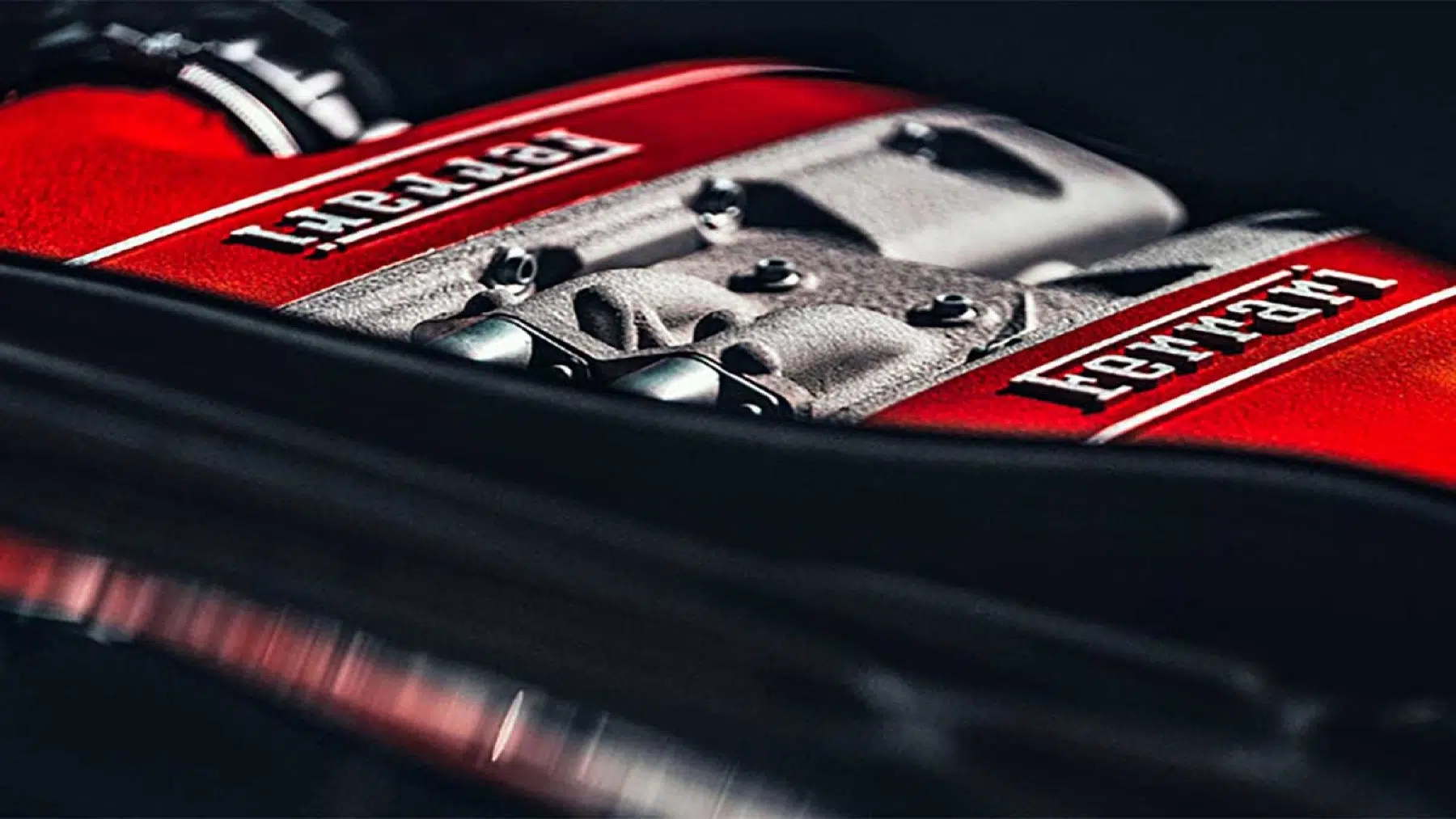
Ferrari’s latest performance flagship, the F80, breaks from tradition by swapping the usual V-12 engine for a twin-turbo V6 combined with a plug-in hybrid system. Together, they push out an impressive 1,184 horsepower, thanks to tech borrowed from Ferrari’s Formula 1 team in Italy. The F80 reportedly rockets from 0 to 62 mph in just 2.15 seconds. It features an eight-speed dual-clutch gearbox, all-wheel drive, active aerodynamics, and a suspension specially tuned for top-tier handling.
Only 799 units were to be built, all of which had already been reserved by customers, with each priced at approximately US$3.9 million. As more information becomes available, updates will follow. At its core, the F80 features a 3.0-liter twin-turbo V6 engine, supported by three electric motors to reach the full 1,184 horsepower output.
Two of those motors drive the front wheels, giving the car all-wheel-drive capabilities. An eight-speed dual-clutch automatic transmission comes standard, along with an advanced suspension setup that uses four 48-volt electric motors to control damper stiffness on each corner. According to Ferrari, the F80 can reach 124 mph in as little as 5.75 seconds.
The cabin layout is designed for driving pleasure
The cabin layout emphasizes the driver experience. There are technically two seats, but the Italy-based brand refers to the F80 as a “1+” in its official materials. The driver’s seat is finished in bright red, while the fixed, non-adjustable passenger seat blends into the background with simple black upholstery. A flat-sided steering wheel and a clean, screen-light dashboard reinforce the stripped-down, performance-first approach typical of Italy.
There’s no traditional infotainment screen inside the F80. Instead, a digital gauge cluster handles most of the essential functions and is controlled using buttons on the steering wheel. A smaller display on the center console is limited to climate control settings. Ferrari hasn’t released full details on connectivity features, but amenities like Wi-Fi, voice assistants, or in-dash entertainment aren’t expected to be part of the package.
Built to drive, not entertain, but extra features are exciting
Like most parts of the luxury, super, or hypercars, this car doesn’t have these multimedia packages with Apple CarPlay or Android Auto, not only to ensure drivers keep their focus on the road, but also to add other components to the panel to deliver high performance and experience for the driver. Lamborghini, for example, besides the Urus, has its interior inspired by airplanes. Italy’s masterpiece comes packed with several driver-assistance features. You get automated emergency braking, adaptive cruise control, lane-keeping assist, and automatic high beams — all designed to make driving safer and easier.
Our coverage of events affecting companies is purely informative and descriptive. Under no circumstances does it seek to promote an opinion or create a trend, nor can it be taken as investment advice or a recommendation of any kind.
Read the whole thing?
Get the week's signal, not the noise
Our sharpest reporting on energy, climate and nature — free, once a week.


