
One of the reasons EVs are being recalled with frequency is the fairly new nature of manufacturers in comparison to combustion engines. With that, we also have the hybrid versions, which bring the best of both worlds, maintaining the rough sound of an engine burning fossil-based oil with electric powertrains working simultaneously to provide autonomy and more horsepower. Everything is being created in order to bring less pollution to the world, and sometimes this can lead to a series of issues in the development of a vehicle.
EV interest is growing, but it’s still not pleasing everyone
Not everybody buying cars is looking for an EV, as the vehicles running on electricity still have a couple of problems. On the other hand, there are also many problems with combustion engines. The preference is personal, but thousands of new buyers are looking to acquire an electric vehicle for daily use, not only in Europe, as BYD is expanding its factories and opening two new facilities in Hungary, but also in America, with traditional brands making the transition.
Ford is one of the leaders in the industry in the U.S., with its most famous cars having a hybrid or electric version. SUVs, trucks, sedans – all options for every taste. Now, recently, the other strong American brand adopted the electric powertrain: Dodge. The manufacturer known for creating the most iconic of muscle cars is now in the EV world, but even traditionally, they didn’t exclude them from recalls.
Dodge recalled electric vehicles to make sure the cars can be heard
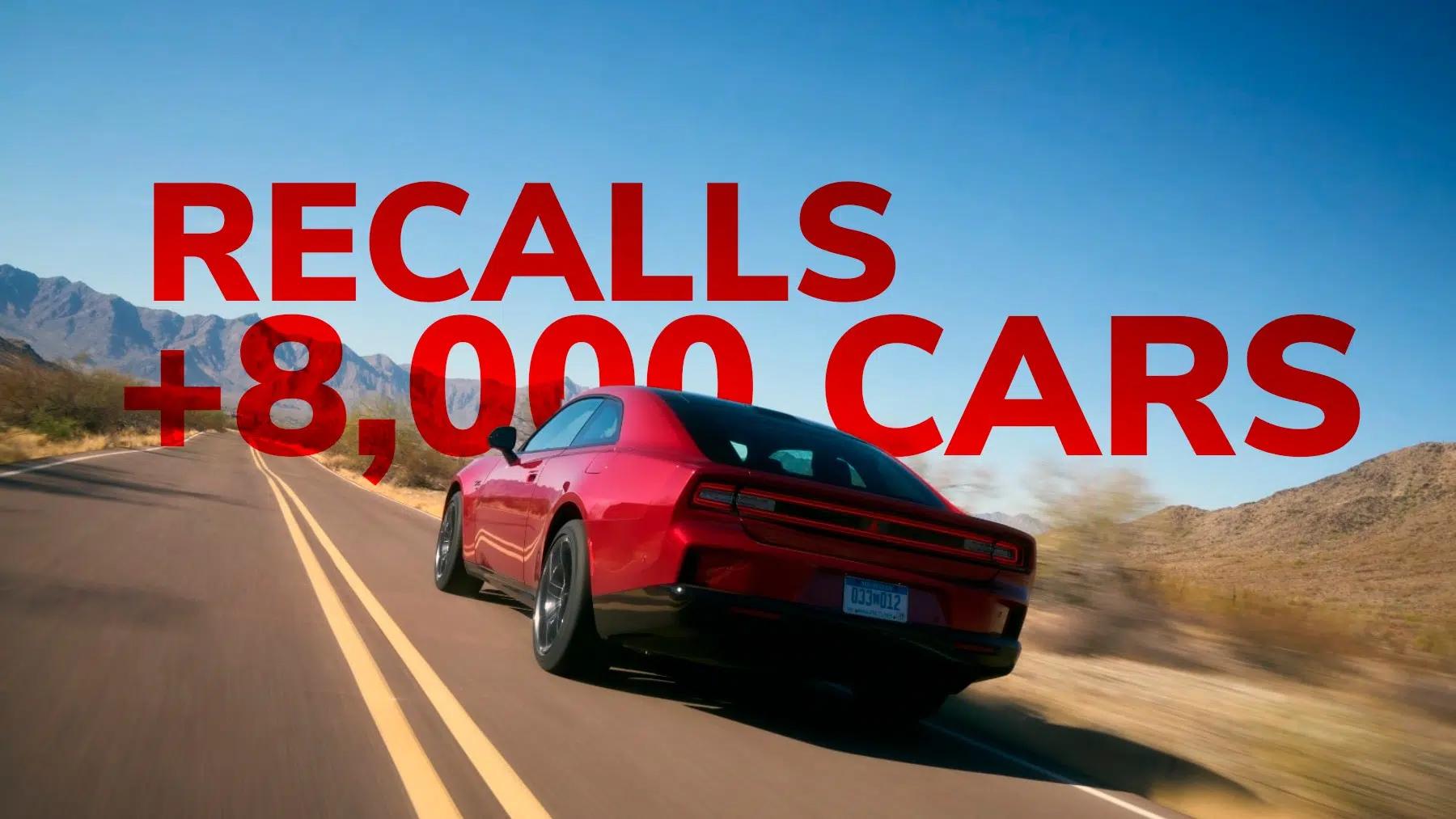
Stellantis North America’s Dodge brand has announced a recall affecting 8,390 units of its all-electric Charger. The issue comes down to a problem with the amplifier’s software, which means certain cars aren’t producing the required warning sounds for pedestrians. According to the manufacturer, these vehicles were built between April 30, 2024, and March 18, 2025, and cover the 2024 and 2025 model years.
The amplifier in question was supplied by the Alps Alpine Group. It’s not entirely clear where the error came from — whether it happened during installation or came from the software itself — but Stellantis started looking into the matter on April 17. By the end of their review, they concluded that some cars might fail to meet a specific federal safety requirement and needed a recall.
The standard in focus is FMVSS 141, which covers the sound alerts that hybrid and electric vehicles must make at low speeds. According to documents filed with the NHTSA, the recalled Chargers don’t comply with sections S5.1 and S5.4, which relate to the alert’s tone and volume. Affected owners can expect a notice in the mail by July 10, 2025.
The VINs of the affected cars will be added to the automaker’s online tool as of June 19, 2025, and any necessary software updates will be performed by dealers free of charge. All impacted units are being recalled and will be updated to fix the issue.
Tradition with an update
While the Daytona badge once stood for something special in Dodge’s history, it now marks the all-electric version of the STLA Large-based Charger. At the moment, only the Scat Pack version will be available for the 2026 model year, as demand for the less powerful R/T version didn’t justify its continuation.
Although only about three percent of the 8,390 units have been confirmed to have this defect, every car built between April 30, 2024, and March 18, 2025, needs to be checked. Making things more complicated, the cars don’t alert the driver when the warning sound isn’t working, which is why this recall campaign is important. Many cars are recalled just so the manufacturer and the National Highway Traffic Safety Administration can check if everything is okay, and some cars don’t need repair.
For more information about this recall, check the report 25V-389 from the National Highway Traffic Safety Administration.
Read the whole thing?
Get the week's signal, not the noise
Our sharpest reporting on energy, climate and nature — free, once a week.


