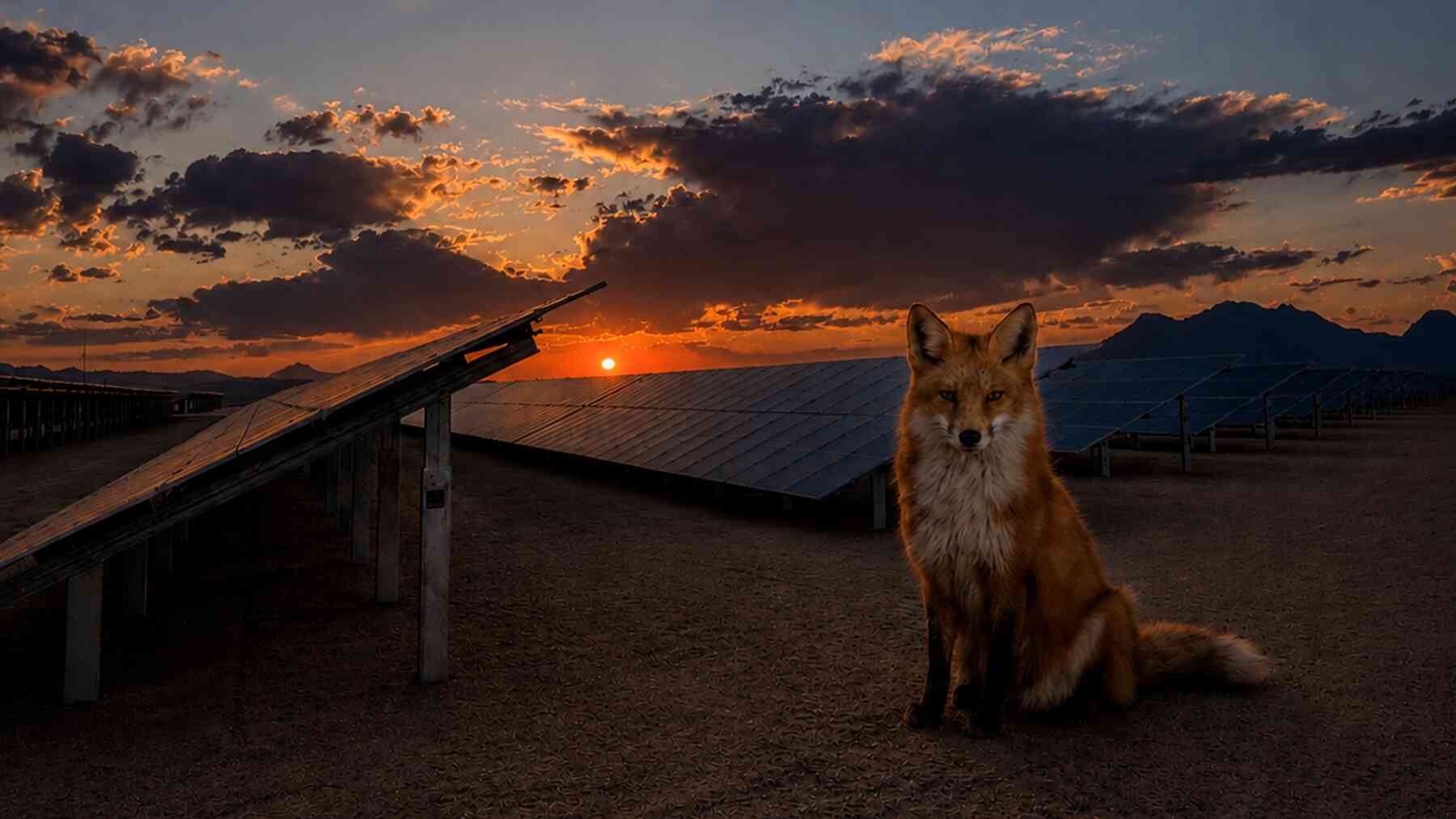
The Carrizo Plain is an intense combination of beautiful and brutal.
One diminutive fox found out the hard way that it was a death trap. Hiding spots disappeared as apex predators started closing in.
In desperation, the tiny foxes aimed for refuge in “alien” territory.
The high-tech solar maze was engineered to be unwelcoming to wildlife. But to the fox, it meant survival.
How did an industrial energy plant end up accidentally saving lives?
How the shadows of the Carrizo Plain crept up on the San Joaquin kit fox
California’s Carizzo Plain in San Luis Obispo County is not the place for a picnic. Its vistas are panoramic, but its wild reality is unforgiving. Ground cover is scarce, and the heat is constant and inescapable.
The San Joaquin kit fox’s daily life is a gauntlet of risk and survival. The master of speed is not a combat specialist. But its predators are.
It’s classed as a canine, but it’s the size of a house cat. And carnivores higher up the food chain think the tiny foxes make great snacks.
Coyotes are among the hunters that dominate the hierachy, along with other, larger carnivores.
The kit fox is relentlessly targeted, and its traditional dens don’t do much to keep the apex predators out. Safe spaces are becoming fewer each day.
The stressed-out foxes started eyeing a silhouette on the horizon that wasn’t there before. What did industry have to offer that nature couldn’t provide?
From the exposure of earth to the safety of steel and glass
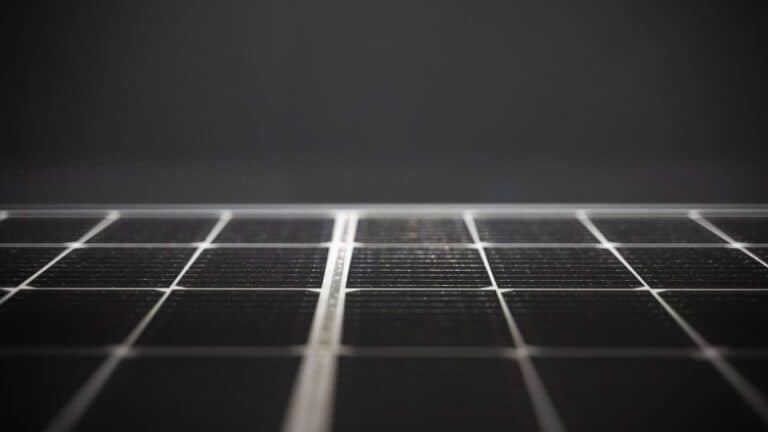
The landscape of the plain changes where the Topaz Solar Farms begin. There’s a sea of steel arrays in the middle of the starkness.
The common narrative around large-scale renewable projects is negative. Critics point to the disruption of natural habitats as creating a different problem by solving another.
And it’s true: most wildlife’s instincts tell them to vamoose from heavy industry.
But to the kit fox, the restricted, high-tech 550-megawatt solar complex looked like a refuge. Even with the heavy buzz of humans and industry.
The heavy security fencing around the solar installations was designed to keep wildlife out. But a paradox emerged inside the high-voltage zone, according to the California Association of Environmental Professionals.
Biological monitoring started picking up odd signals on the “wrong” side of the perimeter. Tracks that weren’t human.
Some clever creature’s ingenuity (and motivation) enabled it to bypass the smartest security humans had to offer.
What loophole did the San Joaquin kit fox’s combination of craftiness and self-preservation manage to unlock?
Saving lives with a minor engineering design quirk
So, how did the tiny fox manage to break into the solar fortress? And what did it offer that made them forget about the industrial disturbance?
It all comes down to a brilliant, intentional design quirk in the Topaz Solar Farms’ perimeter fencing.
When engineers built the extensive security fences, they left specific four-to-five-inch gaps at the bottom.
The tiny clearance is easily small enough to keep coyotes out. But it acts like a VIP pass for the kit fox.
Foxes go where no coyote can go
Thanks to their Garfield-like size, they can slip through the opening at a full sprint. The foxes now have instant safe zones.
There are also the microclimate benefits, as reported by the California State Portal.
The massive panels offer shade from the California sun and act as a shield from predatory birds above at the same time.
In a twist no one saw coming, an industrial mega-project inadvertently built the ultimate sanctuary for an endangered species.
Who knew a fortress of steel and glass would turn out to be the perfect safe haven?
Read the whole thing?
Get the week's signal, not the noise
Our sharpest reporting on energy, climate and nature — free, once a week.