An ordinary day at home turned into something else for a Florida woman.
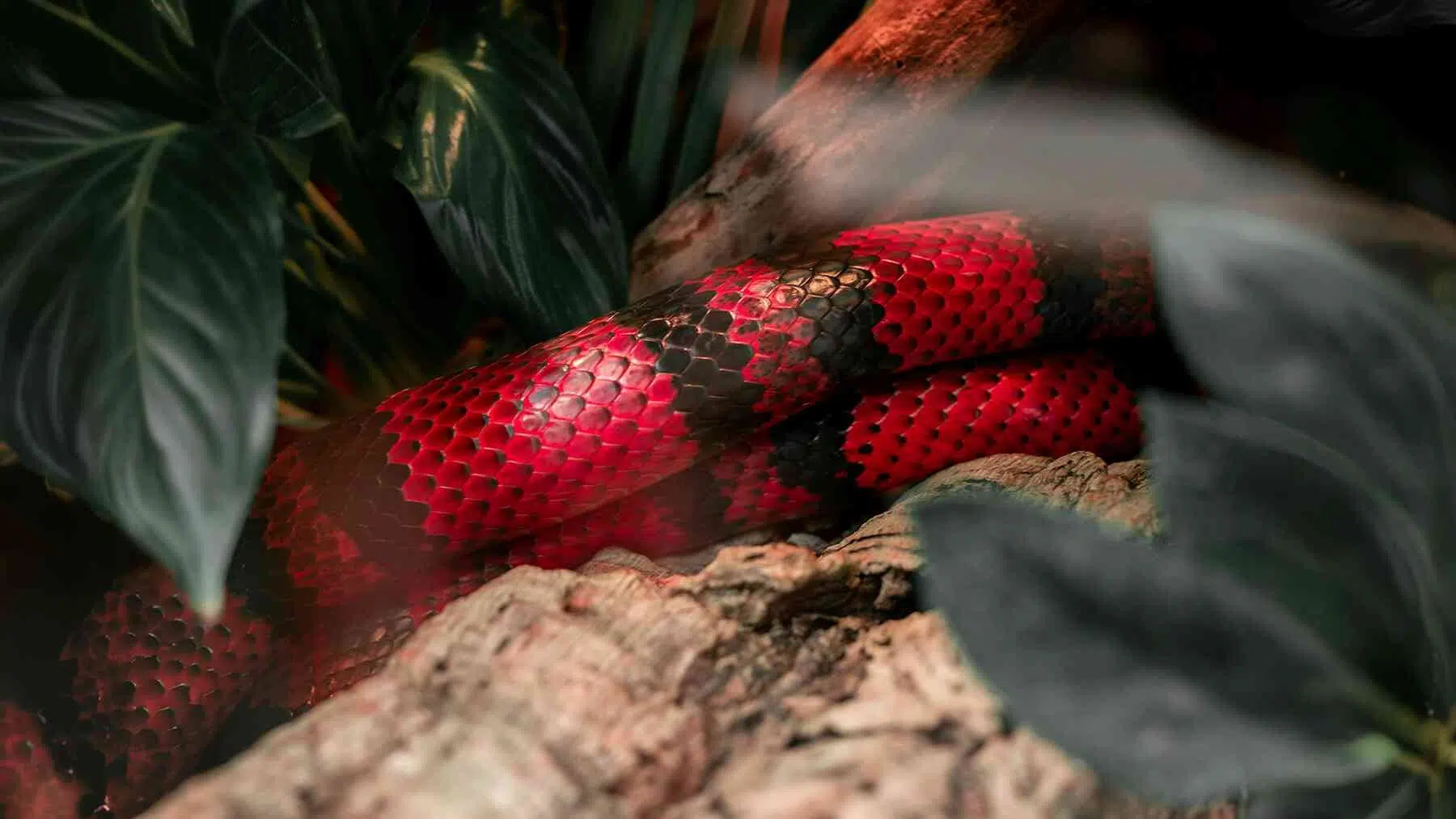
Instead of enjoying a quiet afternoon at her own place, she saw something she didn’t expect. Outside her home was a very large snake.
The enormous serpent lay curled along the side of her house.
Stunned by the sight, she immediately dialed 911 so she could get assistance. She wanted someone to take care of the unexpected guest.
Soon enough, police officers came to assist her. They carefully caught the huge boa.
What most people wondered about was this: How did such an incredibly large snake show up outside a home in Florida?
Its natural habitat is more than 1,300 miles away.
An unexpected visitor outside the home
In the area around Vero Beach, in Indian River County, Florida, that exact scenario occurred.
The police received the emergency call, went to her property, and then discovered the boa lying on the side of her residence. The officer quickly grabbed the boa using his catch pole.
He then used both hands to secure it.
Then, Animal Control took possession of the boa.
Thankfully, no one got hurt during the interaction.
There are many native snake species in Florida. However, boa constrictors are not part of that list.
Boa constrictors are quite large and are native to parts of Central and South America.
Therefore, there is reason for curiosity whenever sightings like this happen.
Although the snake was not poisonous, it brought attention to a much bigger problem. Florida has been encountering increasing numbers of non-native reptiles within its ecosystems.
Why Florida keeps encountering giant exotic reptiles
Sometimes officials receive calls concerning large reptiles that entered Florida’s ecosystem unintentionally.
Residents are often surprised by encounters with large non-native reptiles in homes and public spaces. One theory is that Florida’s mild temperatures allow some exotic reptile species to survive after entering Florida’s environment.
Therefore, it is common for residents to see non-native reptiles roaming through neighborhoods and public parks.
They also appear in other places where people spend leisure time.
This is why officials continually tell residents to contact local authorities if they discover an abnormally large exotic snake.
The storm that may explain today’s sightings
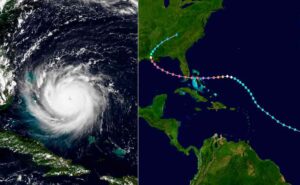
Researchers have traced the origins of this phenomenon back more than three decades. They believe Hurricane Andrew played a significant role in introducing non-native reptiles to South Florida.
Hurricane Andrew severely damaged buildings, businesses, and wildlife sanctuaries when it hit South Florida in 1992.
Some researchers believe the destruction allowed certain reptiles to escape their enclosures.
Once free from their cages, some species thrived under conditions favorable to survival in the wild. Many adapted well to South Florida’s climate.
How the escaped reptiles became a lasting problem
Years later, these exotic reptiles reproduced and formed breeding populations in parts of the state.
This trend did not stop after Hurricane Andrew subsided.
Instead, researchers believe that the hurricane may continue to influence generations of reptiles living in the wild today.
Because of Hurricane Andrew, scientists have identified a critical moment in the spread of non-native reptiles. Many of those species began reproducing and establishing breeding populations in South Florida.
So, why should a homeowner in Florida today notice a nine-foot boa outside her home?
How could that be related to a story that originated almost thirty years ago?
The specific boa found outside the woman’s home did not survive from 1992. However, Hurricane Andrew’s environmental effects may still influence which non-native reptiles Floridians encounter today.
This woman’s discovery was more than an unexpected encounter. It also represents how an extreme weather event can create an irreversible effect on an ecosystem.
Read the whole thing?
Get the week's signal, not the noise
Our sharpest reporting on energy, climate and nature — free, once a week.