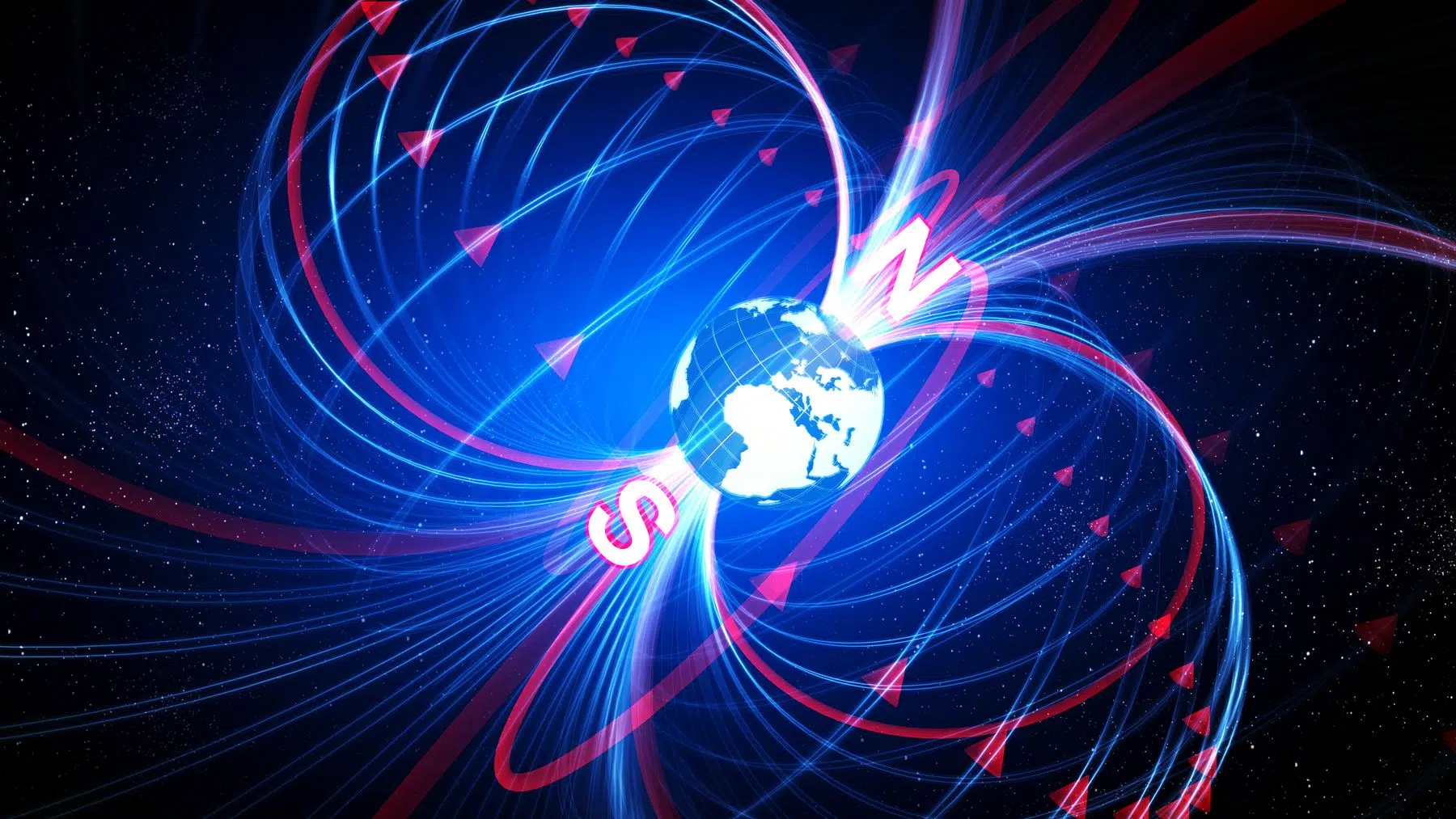
What if I told you that the Earth’s energies can generate electricity, making all that effort to get power from renewable sources useless? That is close to what physicists are saying. According to Nature, today’s physicists have made the controversial argument that the energy of the Earth’s rotation through its own magnetic field can be used to generate electricity. Although the theory is counterintuitive, there is no harm in learning more about it and trying to comprehend how and what it means. This discovery is promising; however, what does it mean regarding the rest of the world’s energy infrastructure?
The ramifications are good and bad. Firstly, we know that if this is executed and true, we will have global clean renewable energy without the need for sharing and exporting or extracting minerals. It does offer a sustainable solution to the global environment. However, the second implication is that is it stable? And have they considered the unforeseen consequences of tampering with this method? It is something that has never been done before.
The innovation’s science: Unlocking the rotational power of the Earth
For researchers to discover this about the Earth, a substance with magnetic qualities called manganese-zinc ferrite was utilised. Achieving this created a cylindrical device that was then able to detect the Earth’s magnetic field and rotational axis, with a voltage of 18 microvolts. Therefore, there was an integration between Earth’s rotation and the magnetic field, which led to the formation of this voltage and produced power.
This excited researchers and physicists because it gave them hope for something that can unlock the world into a better place when it comes to energy production and consumption. The problem with this experiment and the theories gathered by experts is that it goes against the laws of physics and basic power generation rules. It is not the first time this ideology has come about. It was first brought to life in 2016, according to Phys Org.
Possible upheavals: What effects might this finding have on the World’s Energy Systems?
According to Nature, two physicists have different opinions regarding this new discovery. Paul Thomas, an emeritus physicist at the University of Wisconsin–Eau Claire said,
“The idea is somewhat counter-intuitive and has been argued since Faraday.”
Another one, Christopher Chyba, a physicist at Princeton University in New Jersey, carefully added and said,
“I find it very convincing and remarkable.”
There is an ongoing controversy regarding this new discovery; it feels as if not much adequate research was done, especially in relation to the consequences that follow. The energy we have currently is based on traditional energy sources and even sustainable resources have proven to be stable; this new one about Earth’s rotational energy generation may require substantial modifications.
Additionally, the concept of harnessing energy from Earth’s rotation is vague and not fully comprehended, which is why there is a back-and-forth. Researchers should dig deep to see if this will not even affect the earth’s natural magnetic field and rotational system. There are so many upheavals related to this initiative, for instance, the geographical landscape. Perhaps we will damage the Earth while thinking we are saving it.
The scientific community remains divided regarding this ideology and discovery. One of the key issues is that something of this magnitude has never been tried and tested, be it on Earth’s rotational system or on something else to prove its feasibility. With our current technological equipment, it might not work as well because it will look as if we are fighting a losing battle. Only through thorough research do we sit and allow for this to be experimented with, although it does not feel right. Researchers point out that there is no reason why the amount produced cannot be raised to a level that is beneficial if their findings prove to be accurate.
Read the whole thing?
Get the week's signal, not the noise
Our sharpest reporting on energy, climate and nature — free, once a week.