
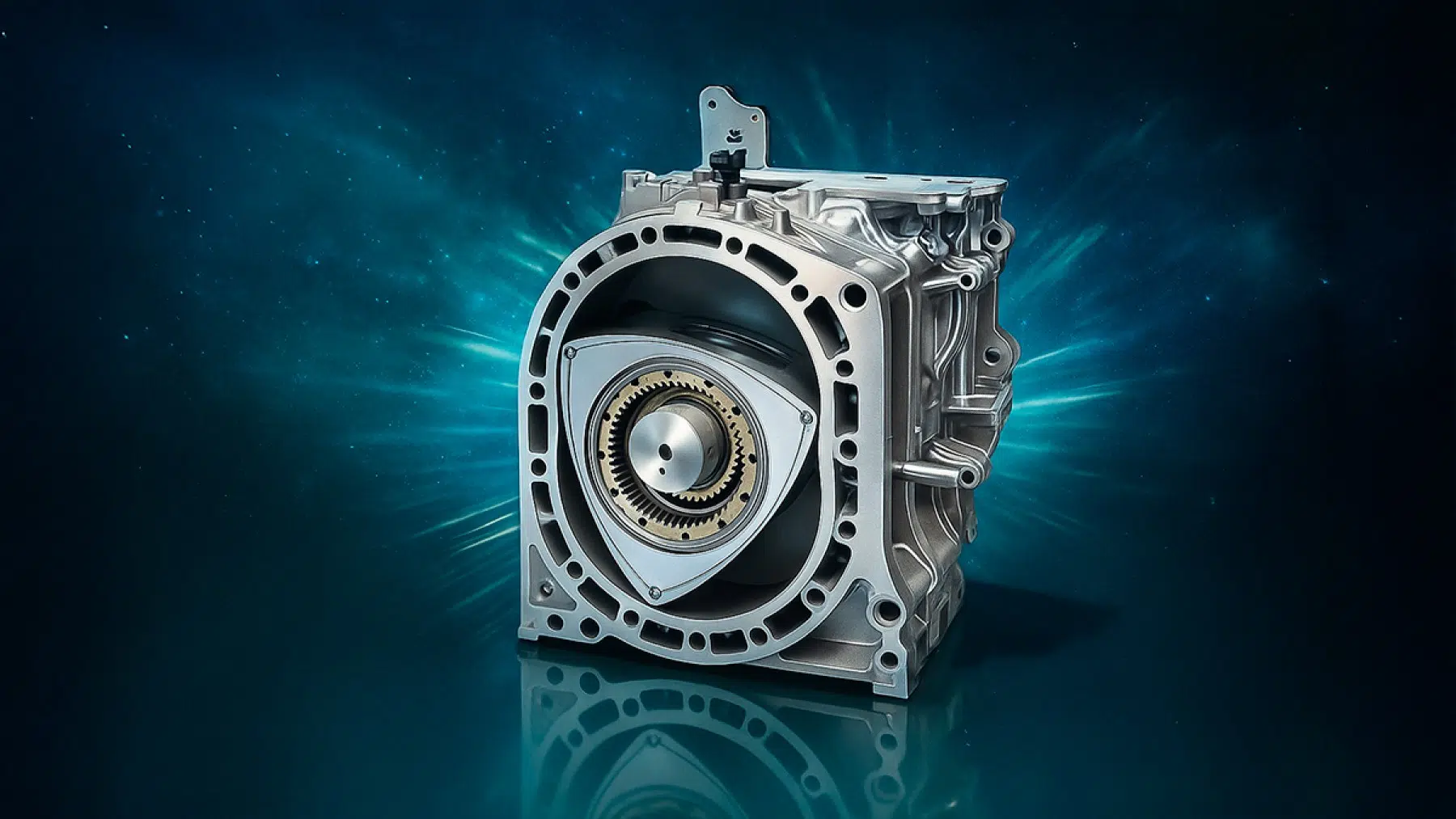
With electric vehicles and hydrogen projects sweeping the market, even Mazda’s most iconic traits face new pressures. Its rotary engine has long stood apart as a symbol of the brand’s engineering nerve. While rivals chased efficiency or raw output, Mazda pursued a different kind of balance: weight, rhythm, and response. That pursuit didn’t always follow industry trends, but it earned a loyal base and a reputation for doing things differently.
Mazda will evolve under its own terms
In some key markets, EV growth is lagging behind expectations, and the financial strain is starting to show. For Japanese carmakers like Mazda, the challenge isn’t just catching up — it’s doing so without losing their identity. That means adjusting the timeline, not the ambition.
Mazda’s updated strategy leans into its roots while acknowledging what’s ahead. Instead of betting everything on electric, it’s channeling resources into a new hybrid-combustion platform — headlined by the Skyactiv Z and the next version of the CX-5. It’s a move driven by performance, practicality, and business sense. But it also comes with cuts. The brand has trimmed $3.3 billion from its original EV roadmap — a sign that the transition will happen, but on Mazda’s terms.
The new Mazda engine is not purely electric or hydrogen-powered
At the 2023 Japan Mobility Show, Mazda turned heads with the stunning Iconic SP concept — a sleek sports car driven by what was described as a next-gen rotary-hybrid powertrain. That’s what it looked like when I first reported on it in November 2023. But now, nearly two years later, rumors have the production version taking a different route into the world full of electric cars and some hydrogen vehicles.
The original story Mazda told was that the concept was an electric vehicle paired with a range extender — a rotary gasoline engine designed to generate electricity, not drive the wheels. It sounded futuristic, but the technology wasn’t far-fetched. Mazda’s MX-30 R-EV already uses that setup: a single-rotor engine that charges batteries rather than powering the drivetrain directly.
For the Iconic SP, Mazda said the plan was to build on that idea, but with more punch. The concept would get two 830cc rotors instead of one, and total output would climb north of 350 horsepower. Crucially, power would go to the rear wheels — a proper sports car layout, unlike the MX-30.
First thoughts on the project
When Mazda first pulled the curtain back on its next-generation “rotary-powered sports car,” the reaction was electric. Enthusiasts were hooked by the sharp styling and the promise of rotary performance. But the buzz faded fast once it came out that the engine wouldn’t actually drive the wheels — it would serve only as an electric generator, and nothing more.
Ten months after the showcase, things changed. According to Best Car, Japan’s top-selling car magazine, Mazda has filed a patent that suggests the production model’s powertrain could work very differently. And this time, the documents point to something far more conventional.
A hybrid setup is making its way to the car
The patent reveals that the rotary engine may not just generate power — it could be directly connected to the rear wheels in a mild hybrid setup. That’s a major departure from the range-extender narrative. The concept had a chunky center tunnel — just the kind of structure you’d expect if a prop shaft were running through it.
The engine hasn’t entered mass production yet, and Mazda is expected to take more time to refine it, as they’re not aiming to compete with today’s mainstream vehicles. Mazda’s culture of innovation — the same spirit that led to the mass production of the rotary engine — is an example of the brand’s non-conventional ways of doing business. Mazda has a history of going against the grain, and this time doesn’t seem any different.
Read the whole thing?
Get the week's signal, not the noise
Our sharpest reporting on energy, climate and nature — free, once a week.


