
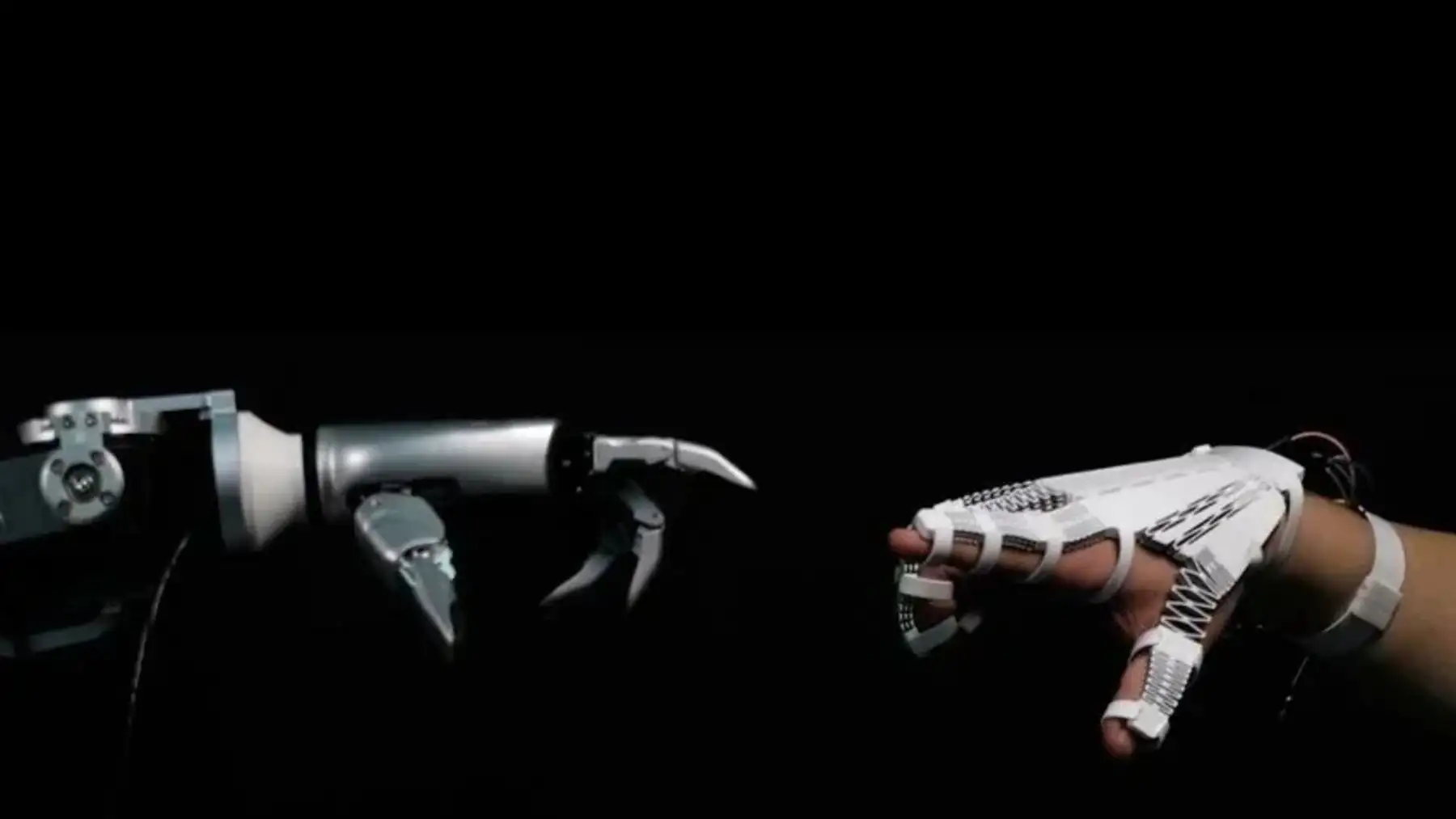
A group of materials researchers and computer scientists at the Massachusetts Institute of Technology invented software for smart device mechanisms incorporating sensors into printed 3D hinges.
Common devices usually stay passive plastic components until electronics and wiring harnesses get installed by hand.
Incorporation of electrical circuits and strain-sensing channels into internal mechanics makes common products able to recognize physical interactions natively.
This technique makes common plastic objects aware of their surrounding world.
Designing functional smart devices with 3D-printing software
Engineers created dedicated computer programs for designing circuits that would trace out the paths of the conductive elements automatically in computer-aided manufacturing files.
Algorithms were used to calculate optimal placement along mechanical joints, configuring the embedded channels for reliable motion detection rather than long-term wear resistance.
3D printers layer different materials over each other, creating not only the rigid parts of the housing but also flexible pathways, which are embedded sensors.
Such an approach saves on time required for assembly and gives sensitive electronic functionality in a solid plastic body.
Routing software enables non-experts to customize objects digitally.
Creating responsive household lamps that respond to squeezing
A novel printing technique was used in printing the adjustable table lamp that had strain sensing hinges.
When the lampshade gets compressed, it brings about changes in the shape of the inner parts of the plastic channels that lead to changes in electric resistance.
These changes can be detected by microcontrollers that give signals to control the lighting of the lamp.
Mechanical feedback is a focus.
To adjust the lighting of the lamp, one would just need to squeeze the lamp without manipulating any mechanical switches.
A perfect example of responsive home gadgets that use embedded mechanics to substitute buttons with more fluid actions.
Manufacturing sensor-integrated gloves for artificial intelligence training
Scientists broadened the design process by incorporating glove lining printed with a complex network of tracking channels.
As human beings move their fingers, the internal conducting channels stretch out to measure angles of bending.
Data about movement is directly inputted into computer programs that have been designed to teach robotic manipulation hands physical skills.
The smart objects are becoming smarter.
Detailed motion data from a human being is useful in helping artificial intelligence learn how to handle tools and manipulate objects.
Sensor technology that can be worn allows humans and robots to communicate using easy 3D-printing processes.
Converting deformation data to digital control signals
The conductive network works through sensing tiny changes in resistance that result from mechanical deformation.
The calibrated program will convert the resistance changes into input commands for the computer.
The software calibrates resistance changes to convert motion data into digital input commands, though ongoing sensor recalibration across different environments remains a subject for future development.
Robotic training is the next crucial step.
Provided that the sensors are sensing correctly, it implies that there is real-time feedback for the interactive gadgets requiring precise physical input as outlined by MIT.
Digitizing the sensors implies that there is an option to turn the passive plastic hinge into an active interface that senses its environment.
Improving the quality of consumer goods additive manufacturing
Material scientists are trying to optimize the printing settings for different materials in order to extend the life of the conductive traces.
According to arXiv, future versions of the software will have improved sensors that will sense twisting or shearing angles.
Future business strategies related to licensing the creation of such smart objects aim to make it possible to use these features in the future in makerspaces and for industrial purposes.
Co-printing resistive sensors and conductive traces directly within objects reduces the need for manual assembly steps during prototyping.
Thanks to the advanced additive manufacturing technology, tomorrow’s consumer objects will be able to sense their environment.
Read the whole thing?
Get the week's signal, not the noise
Our sharpest reporting on energy, climate and nature — free, once a week.


